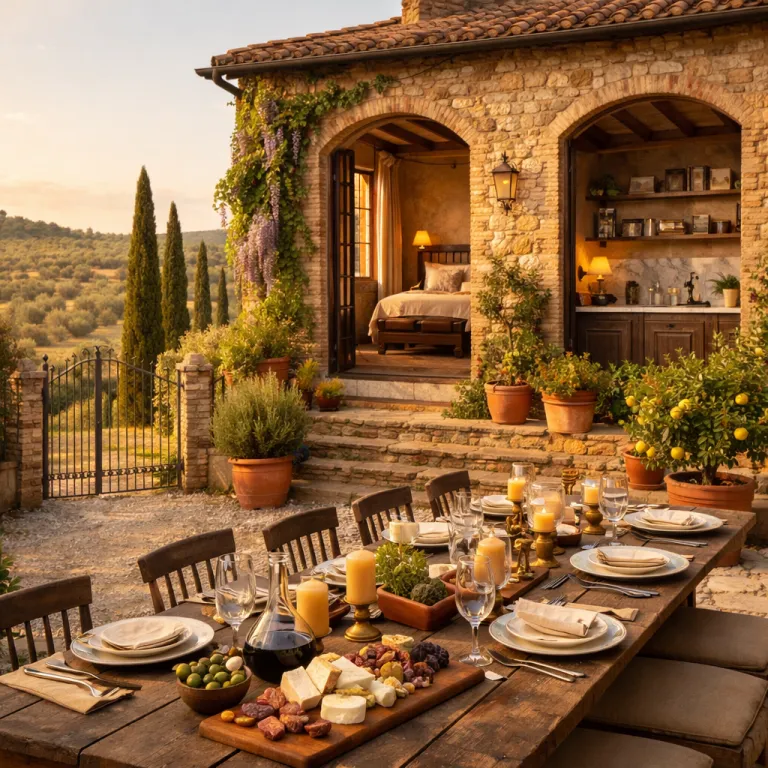
Living the tuscan villa dream through curated vacation apartments
Choosing a tuscany old italian villa for your next escape means stepping into a living chapter of Renaissance history. In Tuscany, noble families once commissioned each villa as a statement of power, art, and refined italian lifestyle, and today many of these properties host luxury vacation apartments. For travelers who prefer the privacy of an apartment over a staffed estate, this heritage offers a rare blend of autonomy and grandeur.
From the countryside around Florence to the rolling hills of chianti tuscany, every tuscan villa tells a story shaped by stone walls, frescoed ceilings, and centuries of hospitality. Villa Bellavista, commissioned by the merchant Francesco Feroni, is a Baroque property that illustrates how a wine estate could also serve as a stage for social prestige. When you book an apartment within such a historic estate, you are not simply renting bedrooms and a kitchen ; you are reserving access to a cultural legacy.
Across the region, the Bianchi Bandinelli family has long been associated with Villa di Geggiano, where formal italian garden design and vineyards olive landscapes frame panoramic views. These villas often sit on several hectares land, with olive groves, arable land, and vineyards that still produce chianti classico wine. For the modern guest, a tuscany old italian villa apartment offers the intimacy of a private home, yet it is surrounded by the amenities, wine cellar traditions, and swimming pool elegance of a grand estate.
Historic context that elevates every tuscany old italian villa stay
Understanding the history behind a tuscany old italian villa helps you appreciate why these vacation apartments feel so different from standard rentals. In Tuscany, noble patrons collaborated with architects and artists to integrate fresco painting, stucco work, and italian garden design into each property. This integration of art and architecture created villas that were both comfortable residences and powerful symbols of status.
Ferdinand I de' Medici ordered Villa L'Ambrogiana as a rural palace, showing how a tuscan villa could function as both retreat and political stage. Later, Giulio de Filippo Arrighetti rebuilt Villa Agape, while Mario Bianchi Bandinelli commissioned Villa il Pavone, each adding new layers to the region's real estate heritage. These estates were not only homes with multiple bedrooms and grand reception rooms ; they were also working wine estate complexes with vineyards, olive trees, and carefully managed hectares land.
Ottavio Mansi, who acquired Villa Mansi, exemplifies how ownership of a stone villa with panoramic views signaled long term family ambition. Today, when you book a vacation apartment within such a property, you benefit from this accumulated care, from restored wine cellar spaces to terraces overlooking olive groves. As one expert summary notes, "Villa Bellavista is a Baroque-style villa commissioned in 1696 by Francesco Feroni, showcasing the wealth and artistic taste of its owner" ; that same artistic taste now shapes the atmosphere of many luxury apartments in comparable estates.
Reading the landscape: vineyards, olive groves, and panoramic views
The landscape surrounding a tuscany old italian villa is as important as the interiors when you choose a vacation apartment. Many properties in the chianti tuscany area extend over several hectares, combining vineyards, olive groves, and arable land into a coherent agricultural estate. This mosaic of vineyards olive and olive trees creates the classic tuscan villa panorama that travelers seek for slow mornings and long evenings.
In regions near san gimignano or greve chianti, you will often find a villa positioned on a gentle hill, with panoramic views across rows of vines and an olive grove descending toward a stone wine cellar. Some estates list their size in sqm for the main buildings and in hectares for the surrounding land, which helps you understand how much space you will enjoy. A property with ten hectares land and several olive groves feels very different from a compact villa with only a small italian garden and limited arable land.
When browsing a luxury booking website, read the description carefully to see how the estate uses its land and whether the vineyards produce chianti classico or another classico docg wine. Apartments within a working wine estate may offer tastings in the wine cellar, walks through the grove hectares, and access to a swimming pool set among olive trees. These details transform a simple stay into an immersive experience, where the tuscany old italian villa becomes both your temporary home and your window onto rural italian life.
Inside the villa: layouts, sqm, and the comfort of bedrooms bathrooms
Beyond the landscape, the interior layout of a tuscany old italian villa apartment determines how comfortable your stay will feel. Luxury and premium booking platforms now provide detailed floor plans in sqm, allowing you to compare bedrooms, living areas, and kitchens across different properties. For couples, a compact tuscan villa apartment with one large suite and generous living space may be ideal, while families often prefer multiple bedrooms bathrooms for privacy.
Historic stone villas typically feature thick walls, high ceilings, and terracotta floors that keep interiors cool in summer. When these properties are converted into vacation apartments, designers aim to preserve historic elements while adding modern comforts such as underfloor heating, air conditioning, and well equipped kitchens. You might find a restored italian garden visible from your bedroom window, or a loggia that frames panoramic views of vineyards olive and olive groves.
Pay attention to how the listing describes bedrooms bathrooms, especially in larger estates that have been divided into several apartments. Some properties offer ensuite bathrooms for every bedroom, while others retain a more traditional layout with shared facilities across the sqm of a floor. If you are planning a celebration or intimate event, it can be helpful to study guidance such as this article on how to choose an unforgettable wedding Airbnb for your big day, then adapt the same criteria to a tuscany old italian villa, ensuring that the property layout, bedrooms, and shared spaces match your group’s expectations.
How to evaluate luxury listings for a tuscany old italian villa stay
Evaluating a tuscany old italian villa on a premium booking website requires more than admiring photographs. Start by checking whether the property is part of a larger wine estate, with vineyards, olive groves, and hectares land that support a sustainable agricultural operation. A listing that clearly states the size of the estate in hectares and the interior in sqm usually reflects professional management and transparent communication.
Look for references to chianti classico or other classico docg wines, which indicate that the vineyards olive are part of a regulated appellation with strict quality standards. If the villa includes a wine cellar, the listing should explain whether guests can access it for tastings or private dinners. Similarly, details about the swimming pool, italian garden, and olive grove maintenance reveal how much care the owners invest in the property.
Trustworthy real estate style listings for vacation apartments will also mention restoration work, such as the use of traditional stone, fresco painting, or stucco to preserve historic character. When a host explains that the estate near san gimignano or greve chianti has been restored with respect for its historic fabric, you can reasonably expect authentic materials and thoughtful design. Reading reviews that mention panoramic views, quiet grove hectares, and comfortable bedrooms bathrooms will further confirm that the tuscany old italian villa delivers on its promise of refined italian living.
Seasonality, practical tips, and aligning the villa with your travel style
Timing your stay in a tuscany old italian villa can significantly influence your experience of the property and surrounding area. Many experts recommend visiting during spring or autumn for pleasant weather, softer light on the stone facades, and quieter vineyards olive landscapes. In these seasons, you can enjoy panoramic views without the heat of high summer, and the swimming pool remains inviting yet rarely crowded.
Before booking, always check opening hours for nearby wine estate tours, especially if you hope to taste chianti classico or other classico docg wines produced on site. Guided tours often include walks through olive groves, explanations of arable land management, and visits to the wine cellar, which deepen your understanding of the estate. If you are staying near san gimignano or greve chianti, local guides can also point out lesser known villas and italian garden designs that shaped the region’s real estate history.
Finally, align the villa and apartment style with your travel priorities, whether that means a compact tuscan villa with one bedroom and a private olive grove, or a larger property with multiple bedrooms bathrooms, extensive hectares land, and shared amenities. Travelers who value privacy may prefer a smaller estate with fewer apartments, while social guests might enjoy a larger chianti tuscany complex with communal terraces and panoramic views. By reading listings carefully and understanding the historic, agricultural, and architectural context, you can choose a tuscany old italian villa that feels both authentically italian and perfectly tailored to your stay.
Key figures about historic tuscan villas and estates
- Number of Medici villas in Tuscany : 12 villas.
- Year Villa Bellavista was commissioned : 1696.
- Year Villa L'Ambrogiana was built : 1587.
Essential questions about tuscan villas and their significance
What is the significance of Villa Bellavista ?
Villa Bellavista is a Baroque-style villa commissioned in 1696 by Francesco Feroni, showcasing the wealth and artistic taste of its owner. For today’s traveler, this significance translates into a benchmark for understanding how a tuscany old italian villa can combine architectural drama with refined interiors. When you evaluate vacation apartments in similar estates, look for comparable attention to proportion, decorative detail, and integration with the surrounding vineyards and olive groves.
Who built Villa L'Ambrogiana ?
Villa L'Ambrogiana was built in 1587 by Ferdinand I de' Medici, serving as a rural palace. This origin highlights how a tuscan villa could function as both a working estate and a stage for political and cultural life. When you book a vacation apartment in a comparable property, you are entering a space designed for ceremony as well as comfort, where panoramic views, italian gardens, and generous sqm interiors still shape the guest experience.
What is unique about Villa di Geggiano ?
Villa di Geggiano, owned by the Bianchi Bandinelli family since 1527, features neoclassical architecture and formal Italianate gardens. Its long continuity of ownership and carefully preserved italian garden design make it a reference point for travelers seeking authenticity in a tuscany old italian villa. Apartments in estates with similar histories often offer a rare combination of historic integrity, curated landscapes, and modern comforts such as well planned bedrooms bathrooms and access to surrounding vineyards olive.