Smart home vacation rental technology: how it actually improves a stay
When smart home technology actually improves a vacation apartment stay
Smart home vacation rental technology should feel like good architecture, quietly supporting your stay. In the best luxury vacation rental apartments, integrated systems frame the day so guests move from airport to sofa to balcony glass in less time and with less friction. The result is a property that feels intuitive, where connected devices and home automation work in the background rather than shouting for attention.
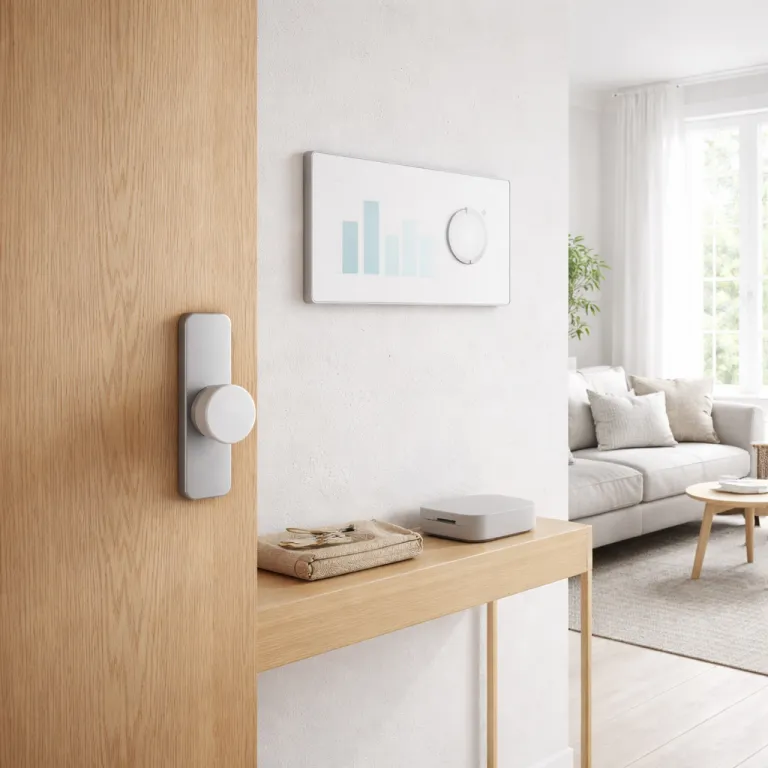
Think of a well run short term rental in Paris or Lisbon, where smart locks and a single code give seamless access to both the street door and the apartment, while smart thermostats pre heat or pre cool the space to your preferred setting before you arrive. That is smart technology used with intent, not as a gimmick, and it changes the guest experience from the first minute of the stay. In these vacation rentals, every piece of home technology is chosen to solve a real problem, from late night arrivals to child friendly lighting scenes.
Property owners and professional property management teams now treat smart home systems as core infrastructure, not optional extras. Their goal is clear; enhance guest satisfaction, tighten security, and streamline management for both short term and longer term rentals. Industry surveys from providers such as Rentals United and GoodNight Stay suggest that smart locks and connected thermostats are now among the top three technology investments for urban vacation rentals. For you as a guest, the best smart apartments are those where you barely notice the devices, yet you feel the benefits in comfort, control, and a sense that the vacation home is paying attention.
Smart locks, self check in and the new choreography of arrival
Arrival is where smart home vacation rental technology either shines or stumbles. A well designed smart lock system turns a potentially stressful first hour into a calm, almost choreographed entry, especially for families juggling children, luggage, and perhaps a late flight. In premium vacation rentals, smart locks and matching software solutions now define the rhythm of the first evening and set expectations for the rest of the stay.
Look for listings where smart locks provide unique codes for each guest and each stay, rather than a single permanent code shared across rentals. As one expert summary puts it, “They provide keyless entry, unique guest codes, and remote access control.” That combination of access and control allows property management teams to handle short term arrivals, late check outs, and mid stay cleaning visits without ever handing over a physical key, while also logging who entered and when.
On platforms such as Airbnb and on curated sites offering refined Caribbean escapes like St Thomas villa rentals for a refined Caribbean escape, the best smart arrival journeys balance automation with hospitality. A typical setup might pair a Schlage Encode or August Wi-Fi lock with a property management system that generates time bound codes, sends a short video showing the exact door, and shares a note about where to find the nearest grocer for breakfast supplies. That is smart home technology used to extend, not replace, the human welcome, and it matters even more in a term rental where you plan to live like a local for several weeks.
Energy dashboards, comfort control and the discreet art of sustainability
Energy use is where smart home vacation rental technology quietly intersects with sustainability and comfort. In high end vacation rentals from alpine apartments to overwater stays compared in guides such as Bora Bora vs Maldives for luxury vacation apartments and overwater stays, smart thermostats and connected home devices now form a subtle but powerful layer of control. You feel it when the living room is perfectly tempered after a day at the beach, without you ever touching a dial.
Smart thermostats allow property owners to set eco friendly baselines while giving guests precise room by room control, which is especially valuable in a larger vacation home where children nap in one bedroom while adults cook in a warm kitchen. “They allow remote temperature control, leading to energy savings,” as one data point notes, and that remote management also protects the property when it sits empty between term rentals. Manufacturers of devices such as Nest, Ecobee, and Tado report typical heating and cooling reductions in the 10–20 percent range when smart schedules and occupancy sensors are used consistently. For you, the visible side might be a simple tablet showing current temperatures and an energy dashboard that explains, in plain language, how your choices affect consumption.
Families increasingly appreciate this transparency, particularly when traveling with older children who understand climate impact and want their vacation to align with their values. Smart devices that monitor water and electricity can send gentle prompts rather than scolding alerts, keeping the guest experience relaxed while still nudging better habits. The best smart systems make sustainability feel like a natural part of daily life in the rental, not a lecture pinned to the fridge.
AI concierges, privacy and the limits of always on management
Artificial intelligence now sits behind much of the smart home vacation rental technology you encounter, even when you never speak to a voice assistant. Many property management companies use AI powered software solutions to coordinate cleaning teams, adjust pricing across real estate portfolios, and respond to routine guest questions in real time. For you, that can mean faster answers about parking, baby cots, or late check out, especially in busy short term rentals.
Yet there is a line between attentive and intrusive, and discerning guests feel it quickly. When a host messages within minutes every time you adjust a smart thermostat or open a balcony door, the sense of privacy in the vacation home erodes, even if the intention is security or energy management. The most thoughtful use of smart technology focuses on patterns, not individual actions, and avoids any monitoring of private spaces such as bedrooms or bathrooms.
Before you book, read the listing carefully for clear statements about cameras, sensors, and data use, and do not hesitate to ask direct questions about which smart devices are installed and where. “Are smart home devices secure for guests? Yes, when properly configured and regularly updated.” That configuration is the responsibility of property owners and managers, who should keep firmware current, change default passwords, and follow platform rules that ban indoor surveillance in private areas. Your responsibility is to choose rentals whose privacy policies match your comfort level, especially for a family stay where children move freely between rooms.
Family friendly smart features and how to read a tech forward listing
For a premium family, the most valuable smart home vacation rental technology is rarely the flashiest. Reliable Wi Fi, stable streaming on multiple home devices, and intuitive lighting scenes matter more than a voice controlled coffee machine that no one can operate before caffeine. When you scan listings, look for a calm, specific description of smart devices rather than a breathless list of brand names.
Start with safety and access; smart locks with individual codes, well lit entryways controlled by home automation, and clear emergency lighting in stairwells or corridors. Then move to comfort, checking that smart thermostats cover bedrooms and living spaces, not just a single hallway, and that term rentals include blackout blinds or smart shades in children’s rooms. For entertainment, a simple, well labeled media setup usually beats a complex array of smart technology that requires a manual every time you want to watch a film.
Well run vacation rentals often provide a short digital guide that explains each smart lock, thermostat, and other smart devices in plain language, including how to override automation if needed. That guide is a sign of serious property management and respect for the guest experience, because it acknowledges that not every guest is fluent in home technology. A concise “tech at a glance” page that lists Wi Fi details, smart TV inputs, and how to reset a misbehaving device can save both guests and hosts a surprising number of support messages. For deeper context on how thoughtful design and tech shape wellbeing in an apartment stay, explore this piece on what wellness actually looks like in a vacation apartment, then apply the same lens when you evaluate the next smart enabled rental.
How to choose the right level of smart for your next vacation home
Choosing a tech forward vacation rental is less about chasing the newest gadget and more about matching the level of smart home integration to how you actually live on holiday. If you travel as a family that cooks, works remotely, and treats the apartment as a real temporary home, then robust home automation, clear energy dashboards, and responsive property management will genuinely enhance the stay. If you mainly sleep and shower between long days out, a simpler setup with just smart locks and reliable Wi Fi may be the best smart balance.
When comparing rentals, make a quick checklist; access, comfort, connectivity, security, and support. Under access, look for smart lock systems that work offline as well as online, so a brief outage does not lock you out of the property at an awkward time. Under comfort, prioritise smart thermostats and lighting scenes over novelty devices, because those are the features you will use every day in both short term and longer term rental scenarios.
Security and support are where professional management shows, especially in urban real estate where term rentals turn over quickly. A clear statement about how smart devices are maintained, how often software solutions are updated, and how guests can reach a human in case of tech failure is worth more than any single gadget. In the end, the smartest vacation home is the one where technology fades into the background, leaving you to argue, happily, about whether to cook in or eat out while the city performs outside your window.
FAQ about smart home vacation rental technology
How can I check which smart devices are installed before I book ?
Read the listing carefully and look for a dedicated section describing smart home features such as smart locks, smart thermostats, and other home devices. If details are vague, message the host or property management company with specific questions about each device and where it is located. Serious operators will provide a clear list and explain how each element affects your stay.
Are smart locks and keyless entry really safer than traditional keys ?
Smart locks reduce the risk of lost or copied keys because each guest receives a unique code that can be changed between stays. Many systems log access events, helping owners and managers track who entered the property and when, which strengthens security for both short term and longer term rentals. As long as the software is updated regularly and codes are not reused, smart lock systems are generally more secure than a simple metal key.
What should I do if a smart device stops working during my stay ?
Start with the guest guide, which often includes basic troubleshooting steps for smart thermostats, lighting, and entertainment systems. If that does not resolve the issue, contact the host or property management team using the preferred channel listed in your welcome message. Well organised rentals will either fix the problem remotely or arrange an in person visit at a convenient time.
How can I protect my privacy in a tech enabled vacation apartment ?
Before booking, confirm that any cameras are limited to exterior entrances or shared building areas, never inside private rooms. On arrival, visually check for devices and ask the host to clarify anything that is not mentioned in the listing, then disable or unplug non essential voice assistants if you prefer. Choosing professionally managed properties with clear privacy policies is the most reliable way to ensure a comfortable, respectful guest experience.
Do smart energy features really make a difference to my environmental impact ?
Smart thermostats, efficient lighting, and consumption dashboards can significantly reduce wasted heating, cooling, and electricity during a stay. When guests use these tools to avoid extreme temperature settings and unnecessary lighting, the cumulative effect across many vacation rentals becomes meaningful. For families who care about sustainability, choosing properties with transparent energy management is a practical way to align travel habits with environmental values.
References
StayFi; Vacation rental statistics and AI adoption in short term rentals (industry report).
GoodNight Stay; Technology trends and must have smart features in vacation rentals (company insights).
Rentals United; Smart home technology adoption data for vacation rental properties (market research).