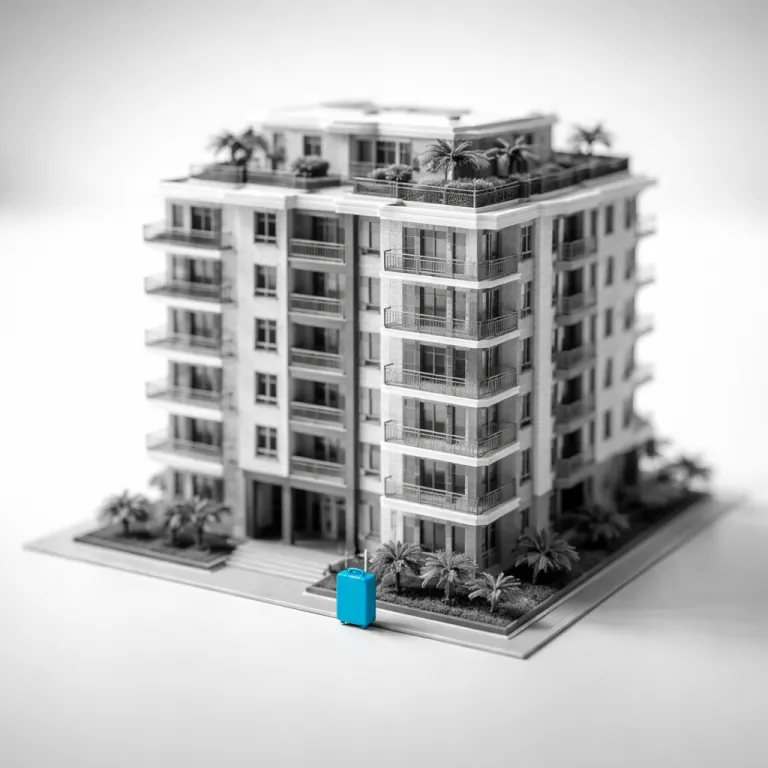
Reframing vacation apartment vs hotel suite for urban escapes
Choosing between a vacation apartment and a hotel suite is really about matching the accommodation to the trip, not about loyalty to one format. In the vacation apartment vs hotel suite debate, urban escapes add extra layers such as neighbourhood character, commuting time and how much you want to cook versus dine out in the city. For a couple planning a refined stay, the right apartment or the right suite can shape how the city feels from the moment you drop your bags.
Industry data shows that upscale apartments and luxury suites now command higher average daily rates than mid range options, yet they sell out first because guests are buying space, privacy and a sense of place. The National Apartment Association, for example, reports in its 2023 Apartment Housing Outlook for the United States that the average apartment size sits around 79 square metres (850 square feet), while benchmarking from major hotel groups and STR’s 2023 Global Hotel Study indicates that typical suites in many urban hotels average closer to 46 square metres (about 500 square feet), which changes how you live, work and relax on a longer stay. That difference in space means the living room is no longer just a hotel room seating corner but a genuine living area where you can stretch out after a late arrival or host friends before dinner.
One expert summary captures the core distinction clearly for anyone weighing a vacation apartment vs hotel suite decision: "An apartment is a self-contained residential unit; a suite is a set of connected rooms in a hotel." That same dataset underlines that "Apartments are generally more cost-effective for extended stays" and that "Apartments typically offer more privacy than suites", which becomes crucial when you plan a long term city break or workation. As you read this guide, keep in mind that the goal is not to stay hotel or stay apartment by default, but to choose the format that best fits the duration, rhythm and purpose of your travel.
The decision matrix: duration, group size and how you actually live
Start with duration, because the length of your stay quietly dictates almost everything else in the vacation apartment vs hotel suite question. For a one or two night short term stopover, a central hotel with a well designed hotel room, efficient check in and late night room service can be the most elegant solution. Once you cross into an extended stay of four nights or more, the balance usually tilts toward an apartment where space, a separate living room and full kitchens begin to matter more than a lobby bar.
Think about group size next, especially for couples occasionally joined by friends or family for part of the trip. Two adults in a generous hotel suite can feel indulged, but add another couple and you are suddenly paying for two suites, while many apartments offer two bedrooms, two bathrooms and a shared living area for less than the combined suite rate. In central Barcelona, for instance, a two bedroom apartment in the Eixample might cost around €260 a night in high season, roughly the same as two mid range suites on La Rambla at €130 each, yet the apartment gives you a full kitchen and laundry, while in Brooklyn a carefully chosen urban apartment can turn a long weekend into a lived in experience, as explored in this guide to a short term rental in Brooklyn for refined city stays.
Finally, be honest about how you like to live when you travel, because lifestyle preferences often outweigh pure price comparisons. If you expect to work remotely, cook occasionally and unpack properly, then an apartment hotel or other serviced apartments with site laundry, a proper desk and full kitchens will support that rhythm of life better than most hotels provide. If you prefer to dress for dinner every night and treat the city as an extension of the lobby, then many luxury hotels offer exactly that seamless, high touch experience with daily housekeeping, concierges and in room dining.
Space, privacy and amenities: what you really gain with an apartment
Space is the most obvious difference in the vacation apartment vs hotel suite comparison, but it is also the most underestimated. An average city apartment gives you a separate bedroom, a real living room, a dining table and often a balcony, while many suites still compress living and sleeping into one elongated room. That extra space privacy means you can wake at different times, work while your partner naps or host friends for a drink without perching everyone on the edge of the bed.
Privacy extends beyond square metres into how you move through the building and the neighbourhood during your stay. In a well managed hotel apartment or in high calibre apartment hotels, you often have private entrances, fewer corridor encounters and the ability to slip out to the local bakery without crossing a lobby full of conference guests. For couples who value a quieter, more residential feel, serviced apartments in urban districts like New Farm in Brisbane or the West Village in New York can feel closer to real city living than even the most polished hotels apartments.
Amenities are where the lines are blurring, especially at the luxury level where apartments offer services once reserved for five star properties. Many extended stay apartments now come fully equipped with designer kitchens, integrated sound systems, spa style bathrooms and on site laundry rooms, while some hotels provide kitchenettes and washing machines in their higher category suites. If you lean toward eco conscious travel, properties such as the refined luxury eco friendly accommodations in Brisbane show how serviced apartments can combine sustainability with the flexibility and space privacy that couples increasingly seek.
Cost, kitchens and the real price of eating out every night
When couples compare vacation apartment vs hotel suite options, they often focus on nightly rates and forget the total cost of living in the city. A suite in a central hotel might look competitive on paper, but once you add restaurant breakfasts, daily coffees and dinners out, the bill for a longer stay can quietly overtake the price of a larger apartment. By contrast, apartments offer full kitchens, fridges and proper storage, which let you shift some meals to the apartment without turning the trip into a self catering exercise.
For an extended stay of a week or more, the ability to prepare even one meal a day in a fully equipped kitchen can change both your budget and your energy levels. In Paris, for example, two coffees and croissants each morning plus a simple bistro dinner can easily reach €70 a day for two, while buying pastries and ingredients for an apartment breakfast and cooking a few dinners might halve that figure. Over a long term workation or a romantic month in a European capital, that pattern of living can save hundreds of euros while giving you a deeper feel for neighbourhood life.
There are moments when hotels offer better value, especially in cities where luxury hotel apartments are bundled with generous loyalty benefits, airport transfers or spa access. Some hotels provide inclusive breakfasts, evening canapés and late check out, which can offset the lack of a kitchen for short term trips of two or three nights. For hybrid itineraries, many couples now book one night in a central stay hotel to recover from the flight, then move to a larger stay apartment for the rest of the trip, using the apartment as a calm base while they explore both the city and nearby regions such as the refined villas around Montego Bay highlighted in this guide to elegant villas in Jamaica's Montego Bay.
When hotels genuinely win for urban escapes
There are trips where, in the vacation apartment vs hotel suite decision, the suite should win without guilt. If you are arriving late, leaving early and staying only one or two nights, the frictionless experience that many hotels provide is hard to beat, from luggage assistance to twenty four hour reception and instant room changes if something is not quite right. For business travel, where you might need meeting rooms, printing and reliable wake up calls, a well run city hotel room or suite remains the most efficient choice.
Hotels offer particular advantages in destinations where high quality apartments are scarce or heavily regulated, such as historic centres with strict residential zoning. In those cities, the best hotels apartments and top tier suites often occupy landmark buildings with views and amenities that private apartments simply cannot match, including rooftop pools, destination restaurants and staffed spas. When you need guaranteed standards, daily housekeeping and the reassurance that someone is always on duty, staying in a hotel apartment or a classic suite is the safer option.
Short term trips with complex logistics also favour hotels, especially if you are coordinating late arrivals, early departures or multiple flights. Many hotels offer flexible check in, luggage storage and concierge teams who can rebook transfers or restaurant reservations when plans change at the last minute, which is harder to arrange in independent apartments. For couples travelling with pets, a growing number of pet friendly hotels provide beds, bowls and walking maps, while some serviced apartments still restrict animals, so always check pet friendly policies carefully before you commit.
When apartments genuinely win and how hybrid stays work
Once your vacation apartment vs hotel suite decision involves more than four nights, an apartment usually becomes the more comfortable and cost effective choice. Extended stay trips, whether they are romantic sabbaticals, remote work experiments or slow travel city breaks, benefit from the extra space, storage and domestic rhythm that apartments provide. You can unpack fully, stock the fridge, use the site laundry and let the apartment start to feel like a temporary home rather than a polished transit point.
For couples, apartments offer a different kind of intimacy, one that comes from sharing everyday rituals rather than only shared restaurant tables. You might cook breakfast together in a fully equipped kitchen, linger over coffee in the living room and then step straight into the street life outside, without passing through a lobby or waiting for lifts full of conference guests. Over a longer term stay, that pattern of living can make you feel less like visitors and more like temporary residents, especially in neighbourhoods with strong local identities such as Le Marais in Paris or Trastevere in Rome.
Hybrid stays combine the best of both formats and work particularly well for complex itineraries or long term travel. You might begin with two nights in a central stay hotel to adjust to the time zone, enjoy room service and let the concierge secure hard to get restaurant bookings, then move to an extended stay apartment hotel in a quieter district for the remainder of the trip. This approach lets you enjoy the high touch services that hotels offer at the start, then settle into the flexibility, space privacy and slower pace that apartments offer once you know the city and its rhythms.
Luxury blurs the lines: serviced apartments, branded residences and apartment hotels
At the luxury end of the vacation apartment vs hotel suite spectrum, the old definitions are dissolving. Branded residences and high end serviced apartments now offer hotel level amenities such as concierges, spas and in room dining, while still giving you full kitchens, generous living rooms and the autonomy of a private apartment. In parallel, many luxury hotels provide residential style suites and hotel apartments with kitchenettes, dining tables and laundry facilities designed for term stays of several weeks.
Apartment hotels sit in the middle, combining the infrastructure of hotels with the layouts of apartments, which is why they appeal so strongly to couples planning extended stay city breaks. In these properties, apartments offer separate bedrooms, proper living spaces and sometimes balconies, while shared facilities include gyms, pools and staffed receptions that can handle everything from airport transfers to last minute restaurant bookings. For long term guests, this hybrid model delivers flexibility and comfort without sacrificing the reassurance that hotels provide in terms of safety, maintenance and consistent service.
As demand for longer trips grows, many operators now design hotels apartments specifically for term stays, with thoughtful touches such as extra wardrobe space, large fridges and discreet site laundry rooms. Some of these apartment hotels are also explicitly pet friendly, recognising that couples on long term assignments or creative sabbaticals often travel with animals and need clear, humane policies. In this evolving landscape, the smartest question is no longer whether to stay hotel or stay apartment, but which combination of space, services and neighbourhood context will make this particular trip feel exactly right.
Key figures shaping the apartment versus suite choice
- The National Apartment Association’s 2023 Apartment Housing Outlook for the United States reports an average apartment size of about 79 square metres, compared with roughly 46 square metres for an average suite in many hotels according to STR’s 2023 Global Hotel Study, which means apartments typically provide more living space and better separation between sleeping and social areas.
- Industry data cited by Rental Scale-Up in its 2022 Upscale and Luxury Vacation Rental Performance Report for Europe and North America shows that upscale and luxury tier vacation rentals have achieved an average daily rate increase of just over 5 percent compared with budget properties, indicating that guests are willing to pay a premium for space, privacy and higher quality amenities.
- Research from Fortune Business Insights in its Vacation Rental Market Size, Share & COVID-19 Impact Analysis (global, 2022–2029) values the worldwide vacation rental market in the hundreds of billions of dollars and projects that it will more than double over the next decade, reflecting strong demand for apartments, serviced residences and other non hotel formats.
- Urban travel trends highlighted in STR and Euromonitor International’s City Travel Briefings 2023 show a rise in one to four night trips and shorter booking windows, which favour flexible inventory such as apartment hotels and serviced apartments that can accommodate both short term and extended stay guests.
- Industry comparisons consistently find that apartments are generally more cost effective than suites for extended stays, especially once you factor in savings from full kitchens, on site laundry and reduced reliance on restaurant dining, as illustrated by typical nightly rates of around US$220 for a one bedroom apartment in central Lisbon versus US$260 for a comparable hotel suite in the same district.
FAQ: choosing between an apartment and a suite
What is the main difference between an apartment and a suite ?
The core distinction is functional rather than decorative: an apartment is designed as a self contained residential unit with its own kitchen, living room and bathroom, while a suite is a set of connected rooms in a hotel that may or may not include cooking facilities. This means apartments are optimised for longer term living, whereas suites are optimised for shorter term stays with hotel style services. When you compare vacation apartment vs hotel suite options, ask whether you need a home base or a serviced base for this particular trip.
When should I choose an apartment over a suite ?
An apartment usually makes more sense when your stay is longer than four nights, when you value space privacy and when you plan to cook or work during the trip. Extended stay itineraries, slow travel city breaks and workations benefit from full kitchens, separate living rooms and on site laundry that many apartments and apartment hotels provide. For short term business trips or one night stopovers, a well located hotel suite is often more practical.
Are apartments more cost effective than suites for couples ?
For longer stays, apartments are generally more cost effective than suites because you are not paying daily premiums for hotel services you may not use. The ability to prepare some meals in a fully equipped kitchen, do laundry on site and share a larger space can reduce overall travel costs without lowering the quality of the experience. For very short term trips, however, the price difference between a compact apartment and a competitively priced hotel room may be minimal.
Do suites usually have full kitchens like apartments ?
Most standard suites in city hotels provide a minibar, coffee set up and sometimes a small kitchenette, but they rarely match the full kitchens found in dedicated apartments. If cooking is important to you, look for serviced apartments, hotel apartments or apartment hotels that explicitly list ovens, hobs and proper fridges among their amenities. For couples who only plan to reheat snacks or prepare simple breakfasts, a well equipped suite kitchenette may be sufficient.
Which offers more privacy, an apartment or a suite ?
In most cases, apartments offer more privacy than suites because they are designed as independent living spaces with fewer shared corridors and less foot traffic. You can enter and leave without crossing a busy lobby, and you are less likely to share walls with multiple neighbouring rooms, which matters on longer term stays. High end suites in quieter hotels can still feel very private, but if privacy is your top priority, a carefully chosen apartment or serviced residence is usually the better option.