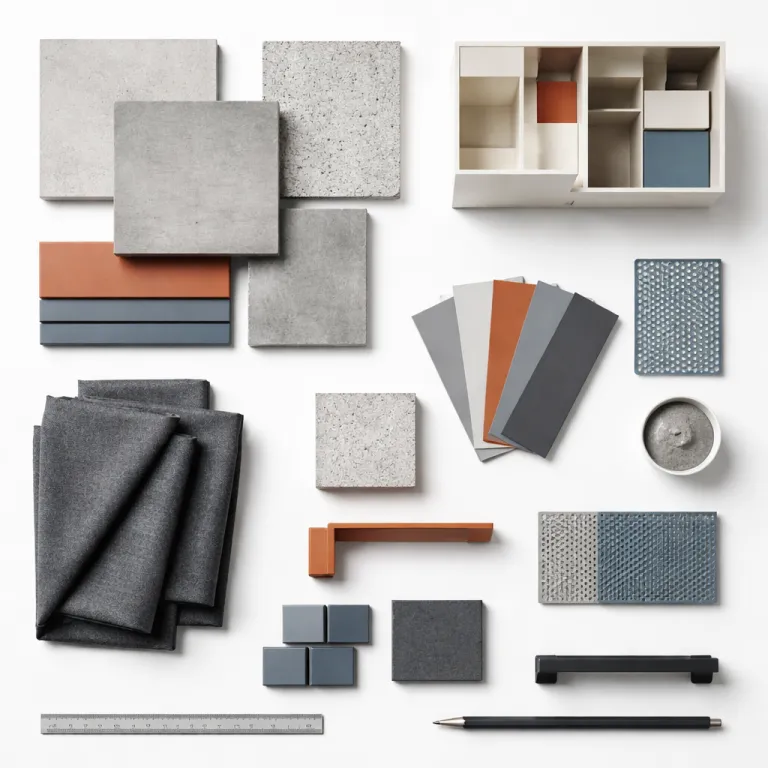
The rebellion against beige: why character now defines luxury
Luxury travelers are no longer impressed by an average white box with a safe modern design. They want a unique vacation apartment design where the living room, kitchen and bedroom feel like a favorite chapter in the story of the city, and where every object has a reason to be there. This shift is why character rich vacation rentals consistently outperform neutral homes in both nightly rate and repeat stay metrics.
The economics are increasingly clear: analyses from short term rental data providers and booking platform commentary point to double digit growth in reservations for distinctive vacation rentals over recent years, and that momentum is not driven by another anonymous villa or interchangeable cabin. For instance, AirDNA has reported that “unique stays” in some urban markets have grown bookings more than 20% year on year, while generic listings have remained broadly flat. It is this kind of apartment where a guest can feel the grain of old wood underfoot, where a treehouse style mezzanine frames a view of tiled roofs, and where a fire pit on a small terrace turns a simple place to stay into a ritual filled evening. When travelers check listings now, they scan reviews for words like “soul”, “neighbourhood” and “stunning views” rather than just “clean” and “modern”.
The so called Airbnb aesthetic — white walls, grey sofa, generic prints — became the default because it was cheap to roll out across entire homes portfolios. Hosts could furnish an entire house with one trip to a flat pack store, keep courtesy amenities identical, and rely on an average rating to carry the listing. That strategy worked when choice was limited, but as more design led homes entered the market, the sameness started to feel like a market failure for any guest seeking a truly unique vacation.
Look at how interior designer Annette Frommer approached one standout vacation apartment in Jerusalem, where the master bedroom emerges from the living room rather than hiding behind a corridor. That single design move turns a standard house layout into something closer to a compact villa, with floor to ceiling transitions that feel theatrical yet still respect comfort and functionality. As Frommer has noted in interviews, “guests remember how a space made them feel, not just how it photographed.” It proves that unique vacation apartment design is not about adding random décor; it is about rethinking how a guest will move, sleep and stay in the space from the first morning coffee to the last late night conversation.
Design firms such as DestinationBCN in Barcelona have gone further, using artistic lighting as wall art so that a small city apartment gains the drama of a tree house perched atop a hillside. Their Provença and Urgell apartments, for example, show how a frame cabin style structure, combined with sculptural lamps, can create panoramic views of light and shadow even when the literal view is of a narrow street. This kind of character driven design lets a guest feel they have secured a top place to stay, even if the square metres are modest and the size of the bed is standard rather than oversized.
Studio Do Cabo in Cape Town demonstrates another path, leaning into tropical themes and local nature rather than copying a Scandinavian style template. By working with local artists and custom furniture makers, they turn a compact cabin like studio into a lush retreat where wood burning textures, plants and colour palettes echo the landscape outside. Their work underlines a core truth of luxury vacation rentals: the most memorable homes are those where design, place and guest experience are inseparable.
The economics of character: why distinctive apartments earn more
Character is not just an aesthetic preference; it is an asset class in its own right for any luxury vacation apartment. When a property offers a genuinely unique vacation apartment design, it can justify higher nightly rates, attract longer stays and generate better reviews that compound over time. The result is that a thoughtfully designed house or villa often outperforms a larger but generic cabin in both revenue and occupancy.
Data from design focused booking platforms and industry reports consistently suggests that distinctive vacation rentals can command a price premium compared with average listings in the same neighbourhood. For example, Plum Guide has reported that its curated homes achieve materially higher average daily rates than comparable local stock, with some city portfolios showing ADR uplifts of 15–20%, while Airbnb’s own trend briefings highlight strong demand for architect designed stays. Guests are willing to pay more for homes with panoramic views framed by floor to ceiling windows, for a treehouse style terrace perched atop a hillside, or for a frame cabin with a wood burning stove that turns a cold evening into an experience. These features are not just décor; they are revenue drivers that transform a simple place to stay into a favorite ritual filled retreat.
There is, however, a host dilemma at the heart of this economics of character. Maintaining a modern yet soulful apartment with custom design, local art and a carefully chosen size of bed for each room costs more than repeating the same flat pack furniture across an entire house portfolio. Replacing a unique fire pit, restoring original wood floors or preserving a tree house style balcony requires more courtesy from owners towards the building and more patience with tradespeople, which can stretch both budget and renovation timelines. Yet the long term ROI is clear when you check multi year reviews and see how often guests mention comfort, functionality and a sense of place.
Platforms such as Plum Guide have built their brand on curating only the top homes that pass strict design and comfort tests. Their inspectors literally check the height of the size of the bed, the quality of the mattress and the way an ocean view or city view is framed from the sofa, not just from the balcony. This approach aligns with what we call the kitchen over view principle, explored in depth in our guide to choosing apartments that actually deliver, where a well designed kitchen and living area will often matter more to your stay than a postcard perfect panorama.
For a solo explorer, the economics of character show up in small but meaningful ways during each stay. A thoughtfully designed Scandinavian style kitchen with proper counter space and good light might encourage you to cook with ingredients from the local market rather than defaulting to restaurants every night. A compact tree house inspired mezzanine with a comfortable size of bed and a reading lamp can turn a small footprint into a multi level retreat, proving that comfort and functionality beat raw square metres in any serious design review.
When you evaluate listings, look beyond the nightly rate and check how the design supports your actual patterns of living. Does the floor to ceiling glazing overheat the space in summer, or has the host invested in shading that keeps the house comfortable while preserving the stunning views? Does the fire pit come with clear courtesy guidelines and proper seating, or is it just a styled prop for photos? These are the questions that separate a truly luxury stay from an average place to stay that only looks good online.
From Airbnb aesthetic to place driven design: how to read listings like an insider
The so called Airbnb aesthetic did not arrive by accident; it was the logical outcome of hosts optimising for speed, cost and average ratings rather than for character. Neutral walls, generic art and a standard size of bed in every room made it easy to photograph, easy to clean and easy for guests to understand at a glance. Yet as more travelers seek a unique vacation apartment design, that sameness now reads as a lack of imagination rather than a sign of professionalism.
To read listings like an insider, start by scanning photos for signs of genuine place based design rather than generic staging. A Florentine apartment that retains its original beams, frames the view of a church dome through floor to ceiling windows and uses a warm wood burning fireplace as a focal point tells you that the house is in dialogue with its city. By contrast, a so called luxury apartment with the same grey sofa, the same art and the same cabin style coffee table you have seen in ten other homes probably reflects a design template, not a love letter to the neighbourhood.
Look for evidence that the host has thought about how you will actually stay in the space. Is there a proper dining table where you can work and eat, or just a bar counter staged for photos? Does the kitchen show signs of real use, such as quality pans and knives, or is it a decorative corner that will push you to eat out every night? Our piece on biophilic design redefining luxury apartment stays explores how nature, light and materials can quietly transform your daily rituals during a stay.
Regional character is another strong indicator of authenticity in vacation rentals. A Japanese machiya style house might use sliding doors, tatami and a compact tree house like sleeping loft to create zones of privacy and openness, all within a modest footprint. A Mallorcan finca converted into a villa may keep its stone walls, add a frame cabin style guest house in the garden and orient the pool to capture panoramic views of the surrounding nature, proving that luxury can be both rustic and refined.
Even in destinations famous for statement architecture, such as Palm Springs or Joshua Tree in California, the same principles apply. A mid century house in Palm Springs that respects its original lines, frames the mountain view with floor to ceiling glass and adds a discreet fire pit for cool evenings will feel more authentic than a new build that copies the style without understanding the climate. Near Joshua Tree, a cabin or tree house perched atop a rocky outcrop with a wood burning stove and outdoor shower can offer a unique vacation experience that no average hotel room could match.
As you compare reviews, pay attention to how guests describe their stay beyond the star rating. Do they mention the way morning light moves across the living room, the comfort and functionality of the workspace, or the pleasure of cooking in the kitchen while watching nature outside? Those details signal that the design is working at a deeper level than styling, and that the house or apartment may become one of your favorite homes to return to.
A framework for choosing character rich apartments that actually live well
Unique design is only worth paying for when it translates into a better daily experience during your stay. A dramatic staircase, a sculptural tree house style loft or a wall of glass with an ocean view can all be liabilities if they ignore comfort, functionality and basic hospitality. The goal is to choose a unique vacation apartment design that feels like a well edited entire house, not a showroom.
Start with layout, because it dictates how you will move, rest and work. Look for floor plans or photos that show how rooms connect, where the size of the bed sits in relation to windows, and whether the living area can comfortably host both quiet evenings and visiting friends. A good layout in a compact cabin or frame cabin can feel more luxurious than a sprawling villa where the kitchen is cut off from the view and the fire pit is marooned at the far end of the garden.
Next, evaluate light and views with the same rigour you would apply to square metres. Floor to ceiling windows with panoramic views are seductive, but ask how they will feel at sunrise, at midday heat and at night when reflections turn the glass into a mirror. A house perched atop a hill with stunning views of nature may still disappoint if glare makes it impossible to read on the sofa or if the bedroom never really gets dark, so check reviews for comments about sleep quality and temperature.
Materials and maintenance tell you a lot about long term comfort in luxury vacation rentals. Wood burning stoves, stone floors and natural fabrics age gracefully and can make a cabin, tree house or city apartment feel grounded in its environment. High gloss surfaces and fragile décor may look good in photos but often show wear quickly, so a host who chooses robust materials is showing courtesy towards both the building and the guest who wants a relaxed stay rather than a museum visit.
Finally, use a simple mental checklist when you evaluate potential homes. Ask whether the design reflects the local culture or could be anywhere, whether the kitchen and living room invite you to linger, and whether the bedroom promises real rest rather than just a stylish photo of a size of bed with too many cushions. Remember the expert guidance that “What defines a unique vacation apartment design? Incorporation of distinctive themes, artistic elements, and innovative layouts.” and “How can I find uniquely designed vacation rentals? Use platforms highlighting design-focused properties and read reviews.” and “Are unique vacation apartments more expensive? Prices vary; some may be premium, others competitively priced.”
When you apply this framework, you start to see through the beige noise of average listings and towards the apartments that will genuinely shape your memories. You will recognise the rare house in Palm Springs where mid century lines meet contemporary comfort, the Joshua Tree cabin where a simple fire pit and wood burning stove turn cold desert nights into rituals, or the Scandinavian style loft where nature, light and proportion quietly support every part of your day. Those are the homes that justify their luxury label and become the favorite places you measure every future stay against.
Key figures on character driven vacation apartment design
- Industry reports from short term rental analytics firms indicate a substantial uplift in bookings for unique vacation rentals compared with more generic properties over recent periods, highlighting strong guest demand for character rich design. AirDNA, for example, has cited double digit percentage growth in occupancy for distinctive homes in several major destinations.
- Research from luxury travel brands such as Cuvée notes that a large majority of high end travelers say they can immediately spot a property designed for mass appeal, which explains the growing rejection of the so called beige aesthetic. Internal Cuvée guest surveys have suggested that more than 70% of respondents now prioritise sense of place over sheer size when choosing a villa.
- Platform level data from design focused curators like Plum Guide suggests that distinctive homes with strong local identity often achieve higher average nightly rates and better long term occupancy than comparable but generic listings in the same area. In some mature markets, Plum Guide has reported ADR premiums of around 15% alongside improved review scores.
- Search and social trends reported by Pinterest point to rising interest in expressive aesthetics, salvaged buildings and culturally specific stays, confirming that travelers increasingly value place driven narratives in their accommodation choices. Pinterest’s annual trend report has highlighted sustained growth in searches related to “architectural stays”, “converted barns” and “heritage apartments”.
References
- Cuvée luxury travel insights on evolving preferences for character rich stays.
- Pinterest trend reporting on expressive, place driven interior design aesthetics.
- Plum Guide methodology for assessing design quality and guest experience in vacation homes.