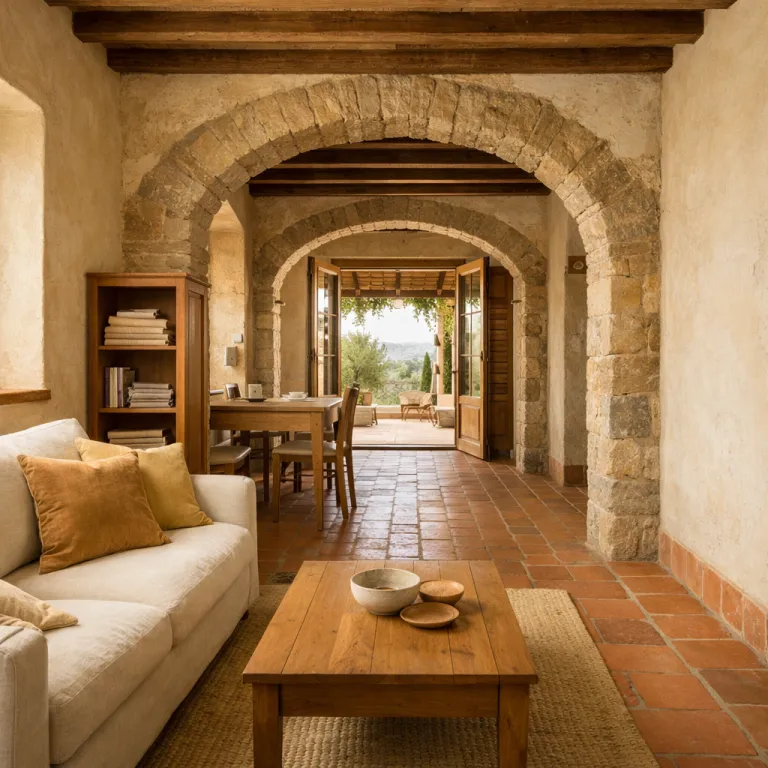
Old Italian villa charm for modern vacation apartment seekers
Choosing an old Italian villa for your vacation apartment stay means embracing history with everyday comfort. In Italy, the evolution of the villa from Renaissance residence to contemporary countryside house created a model of luxury that still guides premium rentals. When you book, you are not just reserving a room but entering a living chapter of architecture Italian heritage.
From the first century villa estates to later Renaissance mansions, owners used stone, brick, and frescoes to express status and taste. Giovanni de' Medici commissioning Villa Medici in Fiesole and Andrea Palladio shaping the tuscan villa and Venetian countryside house show how architecture design and landscape merged. This tradition continues in today’s real estate listings, where each italian villa apartment balances sqm practicality with artistic ambition.
Many apartments occupy upper floor levels of a restored tuscan house, while others sit within a central courtyard wing of a larger century villa. You might find two bedrooms overlooking an italian garden, or a compact small tuscan loft with panoramic views across the italian countryside. Each layout reflects architectural choices made to harmonize private rooms with shared areas and the surrounding garden.
When browsing immobiliare style platforms, pay attention to floor plans, sqm details, and photos that reveal original walls, arches, and stone staircases. Look for mentions of a wine cellar, lemon tree terraces, or lake maggiore and lake como proximity, as these features often indicate higher sale italy values and stronger rental demand. Understanding how luxury buyers evaluate villa and tuscan style attributes will help you select a vacation apartment that feels both authentic and intelligently designed.
Reading architecture and layout when booking an old Italian villa
To choose the right old Italian villa apartment, start by reading the architecture as carefully as the amenities list. Renaissance and Baroque architects such as Andrea Palladio and Alessandro Algardi used classical proportions, symmetry, and axial perspectives to organise every room and garden view. Their methods still influence how bedrooms, living areas, and the central courtyard are adapted into contemporary vacation apartments.
When you study floor plans, note how many bedrooms share the same floor and how circulation flows between each room and the italian garden. A tuscan villa often places the main countryside house reception rooms on the piano nobile, with service spaces below and quieter bedrooms above. In a smaller tuscan house, you may find a compact architecture design where every sqm is optimised, yet thick stone walls still provide calm and privacy.
Pay attention to the relationship between interior walls and exterior panoramic views, especially if the villa overlooks lake como or lake maggiore. Apartments carved from a century villa may offer tall windows, frescoed ceilings, and direct access to a lemon tree lined terrace. Others might prioritise a vaulted wine cellar lounge or a shaded garden loggia, ideal for guests who value wine culture and outdoor living.
On luxury booking platforms, compare photos and price request details across several italian villa options, including urban palazzi and rural tuscan style estates. For example, if you are also considering an Asian city stay, you can study how a guide on how to book luxury apartments in Tokyo for an exceptional stay analyses layout and amenities. Applying the same critical eye to italian immobiliare listings will help you balance romance, practicality, and long term value for your chosen vacation apartment.
Gardens, courtyards, and outdoor living in an old Italian villa
One of the greatest pleasures of staying in an old Italian villa apartment is access to outdoor spaces shaped by centuries of design. Historical records show that an Italian Renaissance villa is defined as “A residence combining classical architecture with landscaped gardens.” This integration of architecture Italian principles with nature still guides how owners restore and furnish vacation apartments today.
In many tuscan villa and tuscan house estates, the italian garden is structured around a central courtyard that organises circulation and light. Apartments may open directly onto this courtyard, giving you a private yet social area for breakfast, reading, or evening wine. Beyond, a larger garden often extends into the italian countryside, with stone paths, clipped hedges, and sometimes a lemon tree collection in terracotta pots.
When evaluating immobiliare listings, look for photos that show how your specific apartment connects to these outdoor areas. A ground floor unit might offer immediate access to lawns and panoramic views, while an upper floor apartment trades direct garden access for sweeping vistas over vineyards and olive groves. In both cases, the sqm of private terrace or balcony can significantly influence the price request and perceived luxury.
Eco conscious travellers may also appreciate how some restored villas integrate sustainable design within traditional walls and gardens. For instance, guides to refined luxury eco friendly accommodations in Brisbane highlight energy efficient systems and water sensitive landscaping. Similar principles can be applied in italy, where a countryside house with solar panels, rainwater collection, and native planting enhances both comfort and long term real estate value.
Wine, culture, and the sensory appeal of villa living
Staying in an old Italian villa apartment is as much about sensory experience as it is about architecture. Thick stone walls moderate temperature and sound, while the scent of a lemon tree in the italian garden drifts through open windows. In wine regions, a traditional wine cellar beneath the main countryside house adds another layer of atmosphere and cultural depth.
Many tuscan villa and tuscan house estates sit near vineyards that have shaped the italian countryside for generations. Guests can often arrange tastings in historic wine cellar rooms, where brick vaults and original floors frame shelves of bottles. These spaces, once reserved for family and estate staff, now become shared amenities that elevate the perceived luxury of each apartment.
When browsing immobiliare listings, note how hosts describe cultural experiences alongside sqm and bedrooms. A simple small tuscan apartment with access to a communal wine cellar, shared italian garden, and guided tours of nearby century villa sites may offer richer value than a larger but isolated house. Look for photos that show not only interiors but also local festivals, markets, and lake maggiore or lake como excursions.
Travelers who enjoy refined coastal or island stays may compare this atmosphere with elegant villas in other destinations. For instance, a curated collection of elegant villas in Montego Bay for a refined Caribbean escape demonstrates how setting, culture, and design combine to create a sense of place. Applying the same criteria in italy helps you choose an italian villa apartment where wine, architecture design, and landscape form a coherent, memorable whole.
Evaluating value, price request, and real estate fundamentals
Even when you are only booking a short stay, understanding real estate fundamentals will help you interpret price request levels for an old Italian villa apartment. Properties that would command high sale italy values often translate into higher nightly rates, especially when they combine architectural pedigree with generous sqm and panoramic views. By reading listings as an investor might, you gain clarity on what constitutes genuine luxury versus simple decoration.
Key value drivers include location within italy, proximity to lake como or lake maggiore, and the quality of restoration. A century villa restored with respect for original walls, stone details, and architecture Italian proportions will usually outperform a generic countryside house conversion. Similarly, a tuscan villa with a mature italian garden, central courtyard, and functional wine cellar tends to attract discerning guests willing to pay a premium.
When comparing immobiliare style listings, examine floor plans to see how bedrooms, bathrooms, and shared rooms are distributed. An apartment with two or three well proportioned bedrooms on the same floor, good natural light, and direct garden access often offers better value than a larger but awkwardly divided house. Pay attention to sqm figures and how they relate to photos, ensuring that circulation spaces and storage are realistically represented.
Finally, consider long term trends in italian villa and tuscan house demand, especially in regions with strong cultural and landscape appeal. Historical data on the number of Renaissance villas and average garden area suggests a finite supply of truly authentic estates. This scarcity underpins both sale and rental markets, meaning that when you pay for a thoughtfully restored small tuscan apartment, you are accessing a rare intersection of history, architecture design, and contemporary comfort.
Practical booking tips for luxury vacation apartments in historic villas
Turning your interest in an old Italian villa into a successful booking requires a structured approach. Start by defining your priorities in terms of bedrooms, sqm, and desired connection to the italian countryside or lakes. Then shortlist properties where the architecture design, garden access, and cultural context align with your expectations of luxury.
When you contact hosts or agencies, request detailed floor plans, recent photos, and clarification on which parts of the villa or countryside house you can use. Ask whether your apartment includes access to the central courtyard, italian garden, or wine cellar, and whether any rooms are shared with other guests. Clarify the exact floor location, as upper floor units may offer better panoramic views, while ground floor apartments provide easier garden access.
It is also wise to ask about the history of the italian villa, including any links to notable architects such as Andrea Palladio or Alessandro Algardi. Some owners can confirm that their tuscan villa or century villa follows Renaissance principles, while others may simply echo the tuscan style in a more recent house. Understanding this context helps you interpret the price request and decide whether the premium reflects genuine heritage or purely decorative choices.
Before confirming, review cancellation policies, security arrangements, and any restrictions on events or additional guests. In regions near lake maggiore, lake como, or major art cities in italy, demand can be strong, so early booking is advisable. By combining practical due diligence with an appreciation for architecture Italian traditions, you can secure a vacation apartment that feels both emotionally resonant and operationally reliable.
Key figures and expert insights on Italian villas
Number of Renaissance villas in Italy : 100 villas on record, illustrating the depth of the historic villa tradition that still shapes today’s luxury vacation apartments. Average size of Italian Renaissance gardens : 2 hectares, a scale that explains why even a modest small tuscan apartment within a larger estate can offer expansive shared outdoor space. These statistics highlight how limited supply and generous land area contribute to the enduring appeal and value of the italian villa market.
“Visit Villa Medici in Fiesole.” “Explore Villa Doria Pamphili in Rome.” “Tour Venetian villas in Padua.” These expert recommendations underline how first hand visits to landmark estates can refine your eye for architecture design, garden planning, and interior proportions. By experiencing these reference points, you will be better equipped to evaluate immobiliare listings, interpret sqm figures, and recognise when a countryside house or tuscan villa apartment genuinely reflects the best of architecture Italian heritage.
What defines an Italian Renaissance villa? A residence combining classical architecture with landscaped gardens. For today’s traveller, this means that even a compact apartment within such a villa should offer visual or physical access to an italian garden, central courtyard, or broader italian countryside views. When a listing respects this balance between built form and nature, it is more likely to deliver the refined, historically grounded luxury many guests seek.
Who were notable architects of Italian villas? Andrea Palladio and Alessandro Algardi. Their work on tuscan style and Venetian villas established design principles that still guide restorations and new interpretations across italy. Recognising their influence helps you read the language of walls, floors, and façades when selecting your next vacation apartment in a historic italian villa setting.