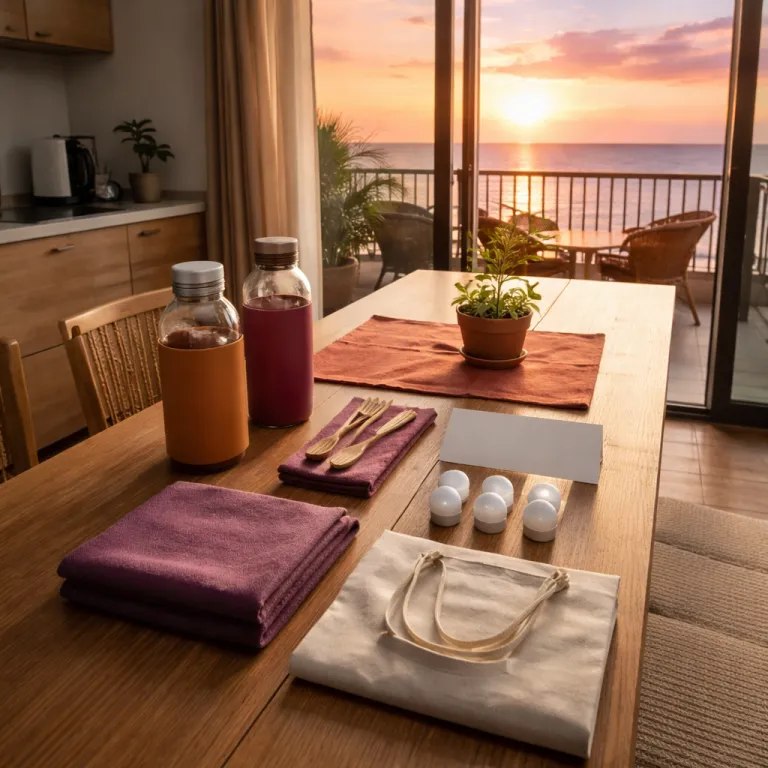
Eco‑friendly vacation apartments: how to choose genuine sustainable luxury
Slug: eco-friendly-vacation-apartments-sustainable-luxury-guide
Why an eco‑friendly vacation apartment belongs on your luxury shortlist
Choosing an eco‑friendly vacation apartment is no longer a niche gesture; it is fast becoming the new definition of luxury for solo travelers who care about sustainability. In high end vacation rentals, comfort now sits alongside reduced environmental impact, lower energy consumption and thoughtful design that respects the city or country you are visiting. When you select a green vacation rental, you are not just booking housing for a short term stay, you are investing in sustainable travel that supports local communities and environmentally friendly real estate.
Across premium properties, owners are integrating renewable energy sources, efficient appliances and better insulation so that every vacation rental feels refined yet genuinely eco conscious. Renovations are the moment when serious hosts layer in solar panels, water saving fixtures and energy efficient systems, turning standard rentals into top tier eco friendly properties that stand out in any city. For a solo explorer, that means your vacation base can combine a low carbon footprint with the kind of space, light and privacy that traditional hotels rarely match.
Global research now shows that a significant percentage of travelers actively seek sustainable vacation rentals, and luxury platforms are responding with curated collections of eco apartments. Booking.com’s 2023 Sustainable Travel Report, for example, found that 76 % of respondents want to travel more sustainably, and 43 % say they would pay more for certified eco stays. This shift is visible from Krak Inn Holbox in Mexico to Little Bills Cabin in Colorado, where renewable energy and sustainable practices are part of the core property concept rather than an afterthought. When you filter for rentals that highlight sustainability credentials, you are aligning your travel choices with a broader movement to support sustainable tourism and reduce environmental impact without sacrificing style.
Reading the labels: certifications, ratings and what they really tell you
Before you commit to any eco‑friendly vacation apartment, look beyond the word eco in the listing and search for verifiable certifications. Labels such as BREEAM, LEED or Green Key indicate that the property or building has been assessed against measurable environmental standards, from energy efficient design to water management and waste systems. Local certification schemes in each country can be equally rigorous, so ask hosts which sustainability labels apply to their properties and how often they are audited.
On a practical level, you want to see clear information about the building’s energy rating, the presence of solar panels and the type of heating or cooling used in the vacation rental. Transparent hosts will share data on energy consumption, water usage and recycling facilities, which aligns with the broader regulatory push in regions such as the European Union for better sustainability reporting. For a deeper checklist of what to look for in an eco conscious apartment, use a specialist guide to sustainable stays without the greenwashing and compare it against the information in each listing.
When a property claims to be environmentally friendly, ask the host to specify which sustainable practices they follow daily, from cleaning products to linen policies and local sourcing. Serious owners will happily explain how they minimise environmental impact through renewable energy sources, efficient appliances and responsible water systems in both singular property descriptions and across their wider portfolio of vacation rentals. Remember the dataset guidance that answers a key question directly: “What defines an eco-friendly vacation apartment? Accommodations that implement sustainable practices to minimize environmental impact.”
Quick checklist: must‑check eco indicators before you book
- At least one recognised certification (e.g. LEED, BREEAM, Green Key or a robust local label)
- Documented energy rating plus mention of insulation and modern windows
- Evidence of renewable energy (on‑site solar or a certified green electricity tariff)
- Low flow fixtures, dual flush toilets and clear water saving measures
- Recycling, composting and refillable amenities instead of single use plastics
- Location within walking distance of public transport and daily essentials
The building envelope: insulation, windows and quiet sustainable comfort

Luxury in an eco‑friendly vacation apartment often starts with what you cannot see at first glance, namely the building envelope. High performance insulation, double or triple glazed windows and well designed shading reduce energy consumption dramatically while keeping your vacation base calm and quiet. In dense city neighbourhoods, this kind of housing design lets you enjoy the street life with the windows open, then close everything and sleep in cool, efficient comfort.
When you read a vacation rental listing, look for mentions of energy efficient heating and cooling systems, such as heat pumps, underfloor heating or smart thermostats. These systems, combined with good insulation, mean the property uses less energy to maintain a stable temperature, which lowers the carbon footprint of your stay without compromising on luxury finishes. For a sense of how thoughtful layouts and biophilic design can elevate sustainable properties, explore the principles behind the living room test and apply them when you assess photos of any eco friendly apartment.
Noise levels and air quality are also part of environmental comfort, especially for solo travelers who may work remotely during a vacation. Ask hosts whether windows are modern and well sealed, and whether the property uses mechanical ventilation with heat recovery or relies on natural cross ventilation. In both city and country locations, these details signal that the owner has invested in sustainable practices that go beyond marketing language and into the structural reality of the rental.
Energy, water and waste: measurable indicators of a truly green stay
Once you have shortlisted an eco‑friendly vacation apartment, focus on three measurable pillars: energy, water and waste. Energy efficient design is more than a buzzword; it should show up as LED lighting, efficient appliances in the kitchen and laundry, and ideally some form of renewable energy such as rooftop solar panels. Ask whether the property tracks energy consumption and whether guests can see or influence it through smart meters or in‑apartment displays.
Water systems are equally critical, especially in destinations where environmental impact from tourism strains local resources. Look for vacation rentals that use low flow fixtures, dual flush toilets and, where possible, greywater reuse for gardens or shared outdoor areas, which is increasingly common in high end real estate developments. Hosts who care about sustainability will also explain how they manage waste sorting, composting and recycling, turning everyday routines into visible sustainable practices that support sustainable tourism.
Waste reduction goes beyond bins; it touches every aspect of how the property is run, from refillable amenities to bulk local supplies instead of single use plastics. When a vacation rental offers filtered tap water, glass bottles and clear instructions on recycling, it signals an environmentally friendly mindset that respects both the city infrastructure and the surrounding country landscape. These operational details, combined with renewable energy sources and careful water management, are the backbone of a genuinely green, eco conscious stay.
Local sourcing, neighbourhood life and the carbon cost of getting there
An eco‑friendly vacation apartment is also defined by how it connects you to the local neighbourhood and its economy. Properties that source furniture, textiles and artwork from local makers reduce transport emissions while giving you a richer sense of place during your vacation. When cleaning products, bathroom amenities and even welcome snacks are locally produced and environmentally friendly, your stay supports sustainable businesses rather than anonymous supply chains.
There is also the question of travel itself, because your journey to the city or country often carries a larger carbon footprint than the short term stay. Choosing a property close to public transport, markets and cultural sites can significantly reduce your need for taxis or car rentals, which in turn lowers overall energy consumption linked to your trip. For solo explorers, this proximity also means you can walk to the morning market, cook with local ingredients and apply the principles from guides such as why the kitchen matters more than the view when selecting your next vacation base.
Some hosts now provide information on the estimated environmental impact of reaching their properties, including suggestions for lower carbon routes by train or coach. While flights may still be unavoidable for certain country pairs, you can balance that impact by choosing vacation rentals that rely on renewable energy, use solar panels and demonstrate clear sustainable travel policies. This holistic view of eco conscious housing, from transport to local sourcing, is what separates marketing claims from genuinely sustainable properties.
How to question hosts and verify eco claims before you book
As a solo traveler booking an eco‑friendly vacation apartment, your most powerful tool is a well crafted message to the host. Start by asking specific questions about energy sources, such as whether the property uses grid electricity only or supplements it with solar panels or other renewable energy systems. Clarify which efficient appliances are installed, how heating and cooling are managed and whether any monitoring of energy consumption is available to guests.
Next, move to water and waste, requesting details on water saving fixtures, filtration and recycling arrangements within the rental and the wider building. Ask how often linens and towels are changed, whether environmentally friendly cleaning products are used and how the host works with local partners to support sustainable initiatives in the neighbourhood. Serious owners, like those behind Krak Inn Holbox, the Eco & Pet‑Friendly Apartment in Recanati or Little Bills Cabin, will usually respond with concrete examples of sustainable practices rather than vague eco language.
Finally, inquire about the broader environmental impact strategy for the property, including any certifications, audits or long term sustainability goals. You can also ask whether the host tracks the carbon footprint of operations, invests in upgrades such as better insulation or solar panels and engages with local environmental organisations. When the answers are detailed, transparent and aligned with recognised sustainability standards, you can book your rentals with confidence that your vacation supports genuinely green real estate rather than superficial branding.
Key figures that shape the eco‑friendly vacation apartment landscape
- According to Booking.com’s 2023 Sustainable Travel Report, around 76 % of travelers say they want to travel more sustainably, and roughly 70 % now say they actively seek sustainable accommodations, which is pushing more vacation rentals to adopt energy efficient systems and renewable energy sources.
- Industry advisory research highlights that renovation cycles are the prime moment to integrate solar panels, efficient appliances and better insulation, meaning the most recently refurbished properties often deliver the lowest energy consumption per guest night. Case studies from European housing retrofits suggest that upgrading insulation and windows can cut heating demand by 30–50 % compared with pre renovation levels.
- Water and electricity monitoring tools are increasingly standard in high end housing, giving guests real time insight into their environmental impact and encouraging more eco conscious behaviour during short term stays. In several pilot projects, simple in‑apartment displays have reduced guest electricity use by 10–15 % without affecting comfort.
- Global growth in certified green properties has accelerated over the past decade, with schemes such as LEED and BREEAM expanding into residential real estate that includes luxury vacation rental stock. LEED, for instance, passed 100 000 certified commercial projects worldwide in the early 2020s, and an increasing share of new certifications now comes from multifamily and hospitality buildings.
FAQ: eco‑friendly vacation apartments for discerning travelers
What defines an eco‑friendly vacation apartment in practical terms ?
An eco‑friendly vacation apartment is a property that integrates sustainable practices across energy, water, materials and operations to minimise environmental impact. This usually includes energy efficient design, renewable energy sources, water saving fixtures and responsible waste management. Many of the best examples also prioritise local sourcing and environmentally friendly cleaning products.
How can I find eco‑friendly vacation rentals without falling for greenwashing ?
Use filters for sustainability on major platforms, then cross check claims against recognised certifications such as BREEAM, LEED or Green Key and any local labels. Read listing descriptions carefully for specific details about solar panels, efficient appliances, insulation and water systems rather than generic eco language. Finally, message hosts with targeted questions about their sustainable practices and compare the depth of their answers.
Are eco‑friendly vacation rentals always more expensive than standard options ?
Prices vary widely, and many eco‑friendly properties are comparable to traditional rentals in the same city or country. Some energy efficient apartments can even keep operating costs lower, which may help stabilise nightly rates over time. The premium you sometimes pay often reflects better design, higher quality materials and investments in renewable energy infrastructure.
What should I prioritise if I can only check a few sustainability indicators ?
If you have limited time, focus on energy sources, water systems and location. Look for evidence of renewable energy, such as solar panels, efficient appliances and good insulation, plus low flow fixtures and clear recycling options. Then choose a property within walking distance of key sites and public transport to reduce the carbon footprint of your daily travel.
Does choosing an eco‑friendly vacation apartment really make a difference to my carbon footprint ?
Your transport to the destination often dominates your overall emissions, but the accommodation still matters, especially for longer stays. Selecting a green, energy efficient apartment that uses renewable energy and supports sustainable local businesses reduces the operational impact of your trip. Combined with lower carbon travel choices where possible, these decisions meaningfully shrink your overall environmental footprint.