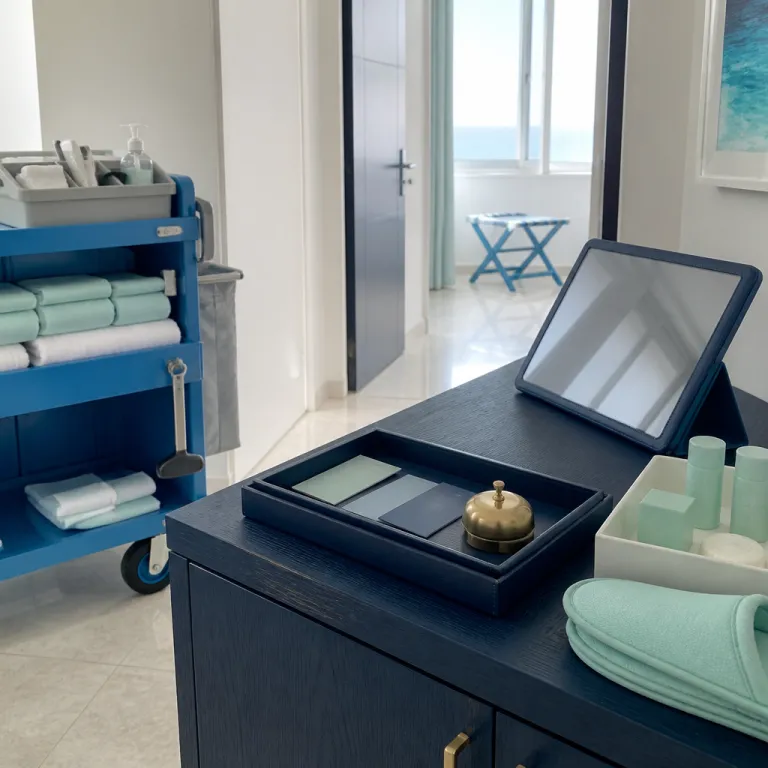
How hotel staffed apartments are redefining world luxury for apartment travelers
World luxury used to mean a grand lobby, a polished hotel bar, and a perfectly made bed waiting behind a keycard. Today, the greatest luxury for many couples is a quiet living room, a real kitchen, and the freedom to argue about whether to cook in or walk to the neighbourhood restaurant after a long day of travel. This shift is pushing luxury hotels and vacation apartments toward a shared middle ground where the best elements of each model finally meet.
Hotel staffed apartments and branded residences sit precisely in that space between a traditional hotel and an independent lodge style rental. These properties are private apartments with guest rooms, full kitchens, laundry, and often one or two bedrooms, yet they are run with the discipline of a luxury hotel and the service culture of world best hospitality brands. For couples used to booking a room in a resort or spa focused property, this hybrid model offers a familiar level of credit card security, loyalty recognition, and concierge support while preserving the privacy and autonomy of an apartment stay.
Industry data shows why this category is expanding so quickly in the world of luxury travel. Branded residences worldwide are projected to reach hundreds of schemes, and experts describe them as private homes managed by hotel brands offering luxury services. As one definition puts it with clarity that matters for any guest who wants to book a stay with confidence : “What are branded residences? Private homes managed by hotel brands offering luxury services.”
For couples planning july travel or a shoulder season escape, this means more choice in how you shape your stay. You can select a luxury hotel suite such as The Palazzo at The Venetian, where every room is a suite, or opt for a hotel staffed apartment that feels like a private island of calm inside a busy city. Either way, the focus of world luxury is moving from marble lobbies and oversized pools to lived in comfort, thoughtful service, and the ability to feel at home while still being unmistakably away.
Inside the service model: what you actually get beyond a traditional hotel room
The promise of hotel staffed apartments only matters if the service model genuinely improves your stay. At their best, these residences combine the polished operations of a luxury hotel with the spatial generosity of a vacation apartment, giving you guest rooms that feel residential rather than transient. The Palazzo in Las Vegas, for example, operates as a luxury hotel but its all suite tower shows how apartment like layouts can coexist with full service features top of the market.
In a true hybrid residence, you can expect a staffed reception, housekeeping, and maintenance on call, just as you would in the world best luxury hotels. You still arrive, hand over your credit card, and know that if the air conditioning fails or the plunge pools on the terrace stop heating, someone will fix it without debate about responsibility between owner and platform. Yet you also gain a living area, a dining table, and often a balcony or terrace that turns your stay into a private resort, especially when the property adds a spa, shared pools, and fitness spaces that rival many resorts world wide.
Some of the most interesting openings sit firmly in this hybrid space, from Hilton’s emerging apartment collection to European concepts such as Locke Living and La Réserve Firenze. Casa J.K. Place in Rome, for instance, has converted an eighteenth century palazzo into a cluster of apartments with full hotel staffing, blurring the line between a classic city hotel and a private lodge style residence. For a sense of how this feels in practice, compare a serviced apartment in a city like Cape Town with a fully independent villa such as the elevated luxury retreat described in this detailed review of a premium villa stay ; the hybrid model sits between those two experiences, offering more structure than a private rental but more freedom than a standard room.
For couples, the gain is not just space but rhythm. You can return from a day of luxury travel, perhaps a game reserve excursion or a long walk along the beach, and decide whether to slip down to the hotel bar or open a bottle of wine in your own kitchen while the city hums outside. World luxury in this context is not about being seen in the lobby of a famous luxury hotel such as a Ritz Carlton property, but about having the choice to be social or secluded without sacrificing service, security, or the quiet reassurance that someone is always on duty downstairs.
Balancing independence and support: what couples gain and lose with the hybrid model
Every couple who has booked an independent apartment knows the trade off. You gain space, a kitchen, and often better value per square metre, but you lose the safety net of a hotel team when the pool heater fails or the key code stops working at midnight. Hotel staffed apartments and branded residences are designed to solve that tension by giving you the independence of a private stay with the support structure of a professional hospitality operation.
Compared with a pure hotel stay, the hybrid model usually offers more generous guest rooms, more storage, and better separation between sleeping and living areas. You might have a bedroom that closes off completely, a living room with a sofa facing a view, and a kitchen that lets you prepare breakfast before heading out to the beach or the city’s markets. For couples on extended travel, especially july travel when destinations are busy and restaurant reservations are scarce, being able to cook occasionally or enjoy a quiet evening in becomes one of the best luxury advantages of this format.
There are trade offs. You may not get the same density of on site restaurants that a large resort or spa complex offers, and some hybrid properties will have smaller pools or fewer plunge pools than a full scale resort. If you are dreaming of a private island escape with multiple pools, a long beach, and a full activity programme, a dedicated resort on a private island may still be the right choice, especially in destinations where resorts world wide have perfected the all inclusive model. For couples who want that level of immersion, guides to premium island stays such as this overview of water bungalows in Belize can help frame what a fully resort based stay delivers that a city residence cannot.
Yet for many romantic getaways, the hybrid apartment residence hits a sweet spot between privacy and connection. You can spend the day exploring a neighbourhood, return to your own pool or shared pools, and still call downstairs for help arranging a late night restaurant table or a last minute transfer to the airport. In this sense, world luxury is no longer defined only by the number of stars a hotel claims, but by how gracefully it lets you move between being a guest and feeling like a temporary local with keys to your own front door.
Where the hybrid category is growing fastest: from Cape Town to private islands
The rise of hotel staffed apartments is not confined to one region ; it is a global phenomenon reshaping how couples plan luxury travel. Markets with strong leisure demand and high quality residential stock, such as Cape Town, south africa, and major Mediterranean cities, are seeing branded residences emerge alongside established luxury hotels. In these destinations, developers and hotel brands are working together to create properties that feel like private homes but operate with the reliability of a full service luxury hotel.
South africa offers a clear example of how this plays out on the ground. In and around Cape Town, you can now book stays in branded residences that combine ocean views, generous guest rooms, and access to resort style pools with the ability to self cater when you prefer a quiet evening in. Inland, near a game reserve, some lodges are experimenting with villa style units that function as private apartments within a larger lodge or resort, giving couples the intimacy of a private stay while still providing guided drives, shared pools, and a central spa.
Island destinations are following a similar path, especially where land is limited and the pressure to deliver world best experiences is intense. Instead of building only traditional resorts, some brands are adding apartment style units with kitchens and living rooms, effectively creating mini neighbourhoods within a resort on a private island. For couples, this means you can enjoy the best luxury features top of a resort, from a spa to multiple pools and beach access, while retreating to a space that feels like your own home at the end of the day.
Urban centres are not being left behind. In cities where july travel brings intense demand, from European capitals to Asian gateways, hotel brands are launching serviced apartments that cater to longer stays and repeat guests who value routine as much as novelty. These properties often appear in rankings from publications such as Robb Report, which tracks the greatest luxury openings and highlights how world luxury is shifting from one night hotel stays to extended, apartment based living that still feels indulgent rather than purely functional.
How to judge real value: separating true world luxury from clever branding
For a couple browsing listings on a premium booking website, the hardest part is often decoding the language. Terms like residence, suite, and lodge are used loosely, and not every property that calls itself a luxury hotel or branded residence delivers the same level of service or comfort. To assess whether a hotel staffed apartment truly belongs in the world luxury category, you need to look beyond the photos and focus on structure, staffing, and guest experience.
Start with the basics : is the property operated by an established hotel brand, or is it an independent building with light concierge services. Branded residences managed by recognised luxury hotels tend to offer clearer service standards, from daily housekeeping to 24 hour reception, and they usually handle maintenance issues with the same urgency as a traditional hotel. Check whether the property offers a spa, on site dining, and access to pools or plunge pools, and whether those amenities feel proportionate to the number of guests ; a single small pool for dozens of apartments may not deliver the resort like experience the marketing suggests.
Next, read reviews with an eye for how staff respond when things go wrong. Comments about slow responses to broken air conditioning, unclear billing, or disputes over credit card charges are red flags, especially in properties that claim to sit at the best luxury end of the market. Look for mentions of thoughtful touches such as pre stocked fridges, flexible check in, and help with local reservations, which signal that the property understands that world luxury is as much about anticipation as it is about marble and chrome. For nuanced value comparisons, resources such as the analysis of late summer apartment stays on this guide to late season apartment value can help you weigh price against experience.
Finally, consider your own priorities as a couple. If you dream of long mornings on a beach, multiple pools, and a full activity schedule, a resort or spa focused property, perhaps even on a private island, may still be the right choice, especially when you want the full resorts world atmosphere. If you care more about neighbourhood cafés, local markets, and the feeling of having your own keys in a city like Cape Town, a hotel staffed apartment or branded residence will likely feel like the true expression of world luxury. Either way, the future of high end travel is clearly moving toward formats that respect your independence while quietly ensuring that, when you need help, someone is always there to answer the phone.
FAQ
What is the main difference between a hotel staffed apartment and a traditional hotel room ?
A hotel staffed apartment is designed as a residential style unit with a separate bedroom, living area, and usually a full kitchen, while a traditional hotel room is primarily a sleeping space with limited seating and no cooking facilities. In a staffed apartment, you still receive hotel level services such as housekeeping, maintenance, and reception support, but you enjoy the autonomy of an apartment layout. This format suits couples who want both privacy and professional support during their stay.
How do hotel staffed apartments compare with independent vacation rentals for longer stays ?
For longer stays, hotel staffed apartments typically offer more reliable service than independent rentals because they are managed by professional hospitality teams rather than individual owners. You can expect consistent housekeeping, on site maintenance, and clear billing through established hotel systems, which reduces the risk of disputes or service gaps. Independent rentals may offer more idiosyncratic charm or lower prices, but they rarely match the operational depth of a branded residence.
Are branded residences usually more expensive than comparable hotels ?
Nightly rates at branded residences can be higher than standard hotel rooms, but the value often improves when you consider space, kitchen facilities, and the ability to stay longer without dining out for every meal. For couples, the cost per square metre and the savings from occasional self catering can make a branded residence competitive with a luxury hotel, especially in high season. The key is to compare total stay costs, including dining and services, rather than focusing only on the nightly rate.
How can I tell if a hybrid property really offers luxury level service ?
Look for clear information about staffing hours, housekeeping frequency, and on site facilities such as a spa, fitness centre, and pools, then cross check that information against recent guest reviews. Consistent praise for responsive staff, fast problem resolution, and thoughtful touches such as welcome amenities usually indicates a genuine luxury operation. Be cautious if reviews mention difficulty reaching staff, unclear policies, or maintenance issues that linger across multiple stays.
Why are more luxury brands investing in hotel staffed apartments and branded residences ?
Luxury brands are expanding into hotel staffed apartments and branded residences because guests increasingly want the comfort of home combined with the assurance of professional service, especially for extended stays. This model allows brands to deepen relationships with frequent travelers who might otherwise choose independent rentals, while also diversifying revenue beyond traditional hotel rooms. As demand for personalised, long term luxury experiences grows, these hybrid formats are becoming a central pillar of world luxury accommodation rather than a niche experiment.