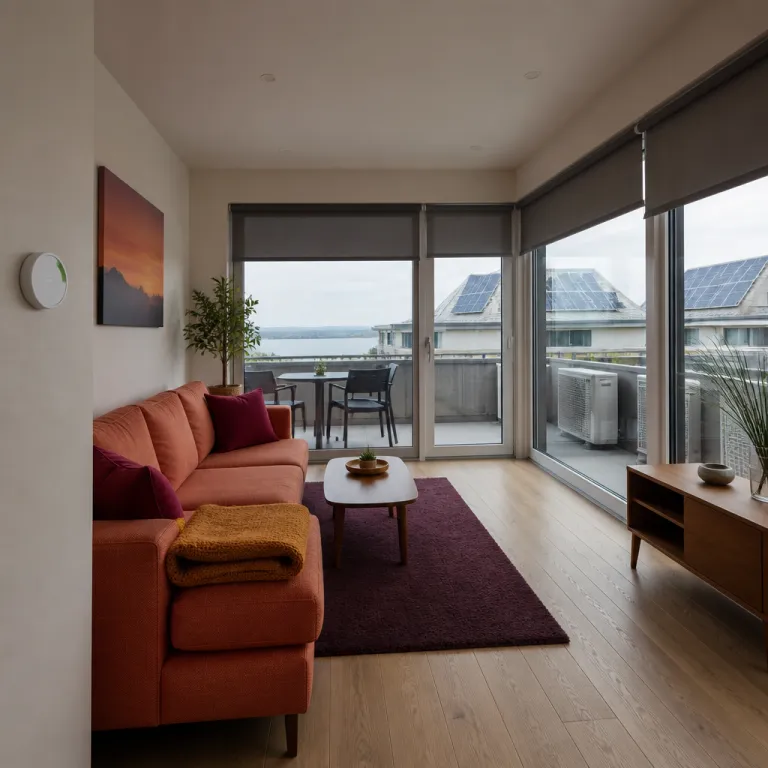
When smart energy quietly takes over your vacation apartment
Walk into a high end vacation rental in Lisbon or Austin and the first thing you notice is the light, not the smart technology. A well designed smart vacation apartment energy sustainability technology setup keeps the screens and blinking hubs out of sight while quietly trimming energy use the moment guests close the door. The most sophisticated vacation rentals now treat sustainability as infrastructure, not décor, using invisible systems that track occupancy, temperature and water flow with the precision of a luxury real estate asset.
In these apartments, occupancy sensors speak directly to the climate control system, cutting energy the second the last suitcase rolls out. Smart thermostats and presence aware ventilation reduce heating and cooling loads by up to 20 percent, which is significant when energy is one of the largest controllable operating costs in vacation rental management. For you as guests, that means a friendly vacation experience that feels indulgent while the property quietly runs in an energy efficient, eco friendly way behind the walls.
The best examples pair smart technology with thoughtful property management rather than gadget collecting. A smart vacation apartment energy sustainability technology strategy might combine smart locks, leak sensors and window contacts so the system knows when a balcony door is left open and will adjust the cooling rather than blasting more energy into the street. Rental owners who treat their apartments as long term sustainable vacation assets, not just short term rentals, are the ones investing in these integrated, environmentally friendly systems that actually help reduce the carbon footprint of every stay.
From gimmick to infrastructure: how invisible systems manage energy and access
Not long ago, smart technology in a vacation rental meant a flashy tablet on the coffee table and a voice assistant that mostly played music. The current generation of smart vacation apartment energy sustainability technology hides the brains in the utility closet, leaving you with a calm living room and a lock that simply works. Behind that quiet façade, a web of sensors, smart locks and automated meters orchestrates energy, water and access with hotel grade efficiency while keeping the apartment feeling like a private home.
Smart locks are now standard in many premium vacation rentals, with adoption rates above sixty percent in key urban markets. For guests, that means self check in at any hour and no plastic key cards to lose, while for property management teams it means precise logs of arrivals and departures that trigger energy efficient modes the moment the door closes. When you read about the quiet tech revolution in connected stays, you are really reading about systems that treat every vacation rental as a finely tuned sustainable tourism node rather than a casual side business.
Energy dashboards are the next layer of this infrastructure, even if you never see them on the wall. Many rental owners now monitor real time energy and water data through back end platforms that sit alongside their property management software, using alerts to spot waste before it becomes a cost. If you want to go deeper into how these systems work in practice, look for guides on smart locks and energy dashboards in vacation apartments, which explain how invisible automation can support both comfort and sustainability.
What to read in a listing when you care about footprint, not gadgets
Scroll through any luxury vacation rentals platform and you will see plenty of smart home badges, but the language that matters is quieter. When a listing talks about smart vacation apartment energy sustainability technology, look for specifics about smart thermostats, occupancy sensors and integrated property management systems rather than generic “smart home” claims. A serious sustainable vacation rental will describe how it manages energy and water between stays, not just how you can stream movies in every room.
Pay attention to how the property describes its approach to sustainable tourism and sustainable travel rather than only its finishes. Phrases such as “automated climate control when guests are away”, “solar panels feeding the building grid” or “real time monitoring of water consumption” signal that the rental owners have invested in efficient infrastructure, not just eco themed décor. When a vacation rental mentions that it uses environmentally friendly cleaning products and has eliminated single plastics, you are seeing the softer side of the same sustainability mindset that drives energy efficient systems.
Some platforms now surface filters for eco friendly or green stays, but algorithms still tend to reward glossy photos over operational sustainability. To avoid missing the most genuinely sustainable vacation rentals, read beyond the icons and into the operational notes about waste sorting, friendly cleaning protocols and energy dashboards. For a deeper dive into how ranking systems shape what you see, explore analyses of how vacation rental algorithms decide what appears in your search, then use that knowledge to seek out properties where sustainability is built into the wiring.
Inside the apartment: how automation trims waste without asking you to try
The most elegant smart vacation apartment energy sustainability technology does not ask you to read a manual after a long flight. Instead, it watches subtle signals such as motion, door status and time of day to decide when to dim lights, lower blinds or ease back the air conditioning. In a well tuned vacation rental, you will simply feel that the apartment is always at the right temperature and brightness, while the system quietly shaves kilowatt hours whenever you step out for coffee.
Occupancy sensors are the unsung heroes of this new generation of eco friendly rentals. They sit in ceilings and door frames, telling the central management system when guests have left the living room, when the last bedroom door closed and when the apartment has been empty long enough to enter deep energy saving mode. Combined with smart thermostats and adaptive ventilation, they allow property management teams to cut energy use between stays without compromising comfort for the next arrival.
Water management is following the same path, especially in destinations where sustainable tourism depends on careful resource use. Flow sensors and smart valves can detect leaks under a sink or in a terrace irrigation line long before they become visible, protecting both the property and the local infrastructure. For you as guests, the only visible sign might be a gentle note that encourages guests to reuse towels or explains how the apartment’s systems help reduce the carbon footprint of each vacation rental stay.
Beyond the meter: solar, materials and the new eco friendly luxury
Energy automation is only one layer of the smart vacation apartment energy sustainability technology story. In cities from Barcelona to Los Angeles, high end vacation rentals are increasingly tied into buildings that use rooftop solar panels, high performance insulation and triple glazed windows as standard. Those architectural choices mean the apartment needs less active cooling and heating, so every smart thermostat adjustment has a bigger impact on overall energy efficient performance.
Look for listings that mention solar panels feeding common areas or even individual meters, especially in sun rich destinations where sustainable travel is becoming a selling point. Some rental owners now highlight how much of the property’s annual energy demand is met by on site generation, turning a once invisible detail into a core part of the vacation rental story. When combined with smart technology that times heavy loads such as laundry or dishwashers to coincide with peak solar production, these apartments operate as genuinely green micro grids rather than just efficient consumers.
Material choices matter as much as meters in a truly eco friendly property. Apartments that avoid single plastics, use refillable amenities and rely on friendly cleaning services with certified cleaning products reduce waste while keeping indoor air quality high. If you are building a personal shortlist of sustainable vacation options, prioritise rentals that talk about environmentally friendly operations, not just recycled wood coffee tables, and consider guides on regenerative stays that give back more than they take to understand how your booking can support broader sustainable tourism goals.
How your stay fits into the bigger sustainability and management picture
Behind every seamless check in and perfectly tempered living room sits a serious management operation. Professional property management companies now treat smart vacation apartment energy sustainability technology as a core part of their business model, not an optional upgrade. They know that efficient systems cut operating costs, protect the property and appeal to guests who care about sustainable travel without wanting to wrestle with complex controls.
For rental owners, the shift is equally strategic. A well instrumented vacation rental becomes a data rich real estate asset, with detailed information on occupancy patterns, peak energy use and even water consumption by zone. That data allows owners to fine tune tariffs, schedule friendly cleaning teams when the apartment is genuinely empty and plan upgrades such as better insulation or more efficient appliances where they will help the most.
Your role as guests is simpler but still influential. By choosing vacation rentals that clearly explain their environmentally friendly systems and by responding positively when hosts encourage guests to participate in light touch green practices, you reinforce the business case for sustainable vacation operations. Over time, that demand helps push more rentals toward smart locks, automated energy management and reduced carbon footprint practices that benefit both local communities and the wider travel ecosystem.
Practical checklist: booking a smart, sustainable apartment that still feels like home
When you next plan a vacation, treat the listing description as a blueprint rather than marketing copy. Scan for evidence of smart vacation apartment energy sustainability technology such as occupancy based climate control, integrated smart locks and references to energy dashboards or building wide solar panels. These details show that the property is managed as a long term sustainable tourism asset, not just a casual rental.
Then look for softer signals that the sustainability story runs through daily operations. Mentions of eco friendly or environmentally friendly cleaning products, reduced single plastics, friendly cleaning teams trained in green protocols and guidance that encourages guests to sort waste or limit unnecessary towel changes all point to a coherent sustainability strategy. A property that talks about supporting local suppliers, using green electricity tariffs and investing in efficient appliances is usually one where the carbon footprint of your stay has been carefully considered.
Finally, trust your instincts about how the apartment will feel to live in for a week. The best smart vacation rentals balance technology with warmth, letting you argue about whether to cook in or eat out while the systems quietly manage energy, water and access in the background. When the apartment knows you left and adjusts itself without fanfare, you are experiencing the new standard of sustainable vacation living, where smart technology serves both comfort and conscience.
Key figures shaping smart, sustainable vacation apartments
- Smart locks are now installed in more than 60 percent of professionally managed vacation rentals in major US and UK cities, reflecting the rapid shift toward self check in and automated access management (data from industry reports by AirDNA and property management software providers).
- Energy consumption typically represents between 15 and 25 percent of controllable operating costs for vacation rental properties, which explains why investment in energy efficient systems and automation delivers strong financial returns for rental owners (figures reported by leading vacation rental management companies).
- Studies of smart thermostats in short term rentals show heating and cooling savings in the range of 10 to 20 percent when occupancy based automation is enabled, without any noticeable impact on guest comfort (results published by manufacturers such as Google Nest and Ecobee).
- Global surveys of travelers indicate that more than 70 percent of respondents want more sustainable travel options, yet only around half feel it is easy to identify genuinely eco friendly accommodations when booking online (findings from reports by Booking.com and other travel research firms).
- Buildings equipped with rooftop solar panels and high performance insulation can reduce overall operational carbon emissions by 30 percent or more compared with conventional stock, especially when paired with smart technology that optimises the timing of major energy loads (data from the International Energy Agency and green building councils).
FAQ about smart energy systems in vacation apartments
How do smart energy systems know when I have left the apartment ?
Most smart vacation apartments use a combination of door sensors, motion detectors and smart locks to infer occupancy. When the system detects that the door has locked and no motion is registered for a set period, it shifts into an energy saving mode that adjusts heating, cooling and sometimes lighting. These changes are calibrated so that when you return from a day out, the apartment can quickly return to your preferred comfort settings.
Will smart thermostats or sensors make my stay less comfortable ?
In well configured properties, smart thermostats and occupancy sensors are designed to be invisible to guests. They typically adjust temperature gradually when the apartment is empty and pre condition the space before your expected return, based on patterns such as check in times or typical daily routines. If you ever feel uncomfortable, you can usually override the settings just as you would with a conventional thermostat.
How can I tell if a vacation rental is genuinely sustainable, not just using green marketing ?
Look for concrete details in the listing rather than vague eco friendly claims. Specific mentions of smart energy management, solar panels, water saving fixtures, environmentally friendly cleaning products and reduced single plastics are strong indicators of a serious sustainability approach. Properties that explain how they encourage guests to participate in light touch green practices, such as recycling or towel reuse, also tend to have more robust sustainability programs.
Do smart locks and connected systems raise privacy concerns for guests ?
Reputable property management companies configure smart locks and energy systems to track access and consumption data, not personal behaviour inside the apartment. Smart locks record entry times and codes for security and operational purposes, while energy dashboards aggregate usage at the system level. If you have concerns, you can always ask the host or manager how data is stored, who can access it and whether any in home cameras are present, which should always be clearly disclosed.
Is choosing a smart, sustainable apartment really impactful for my carbon footprint ?
Accommodation is a significant part of the carbon footprint of many trips, especially in energy intensive climates. By choosing vacation rentals that combine smart energy management, efficient appliances and, where possible, on site renewable generation, you materially reduce the emissions associated with your stay. While transport often dominates the footprint, consistent choices of sustainable vacation apartments send a clear demand signal that helps shift the wider market toward lower impact operations.