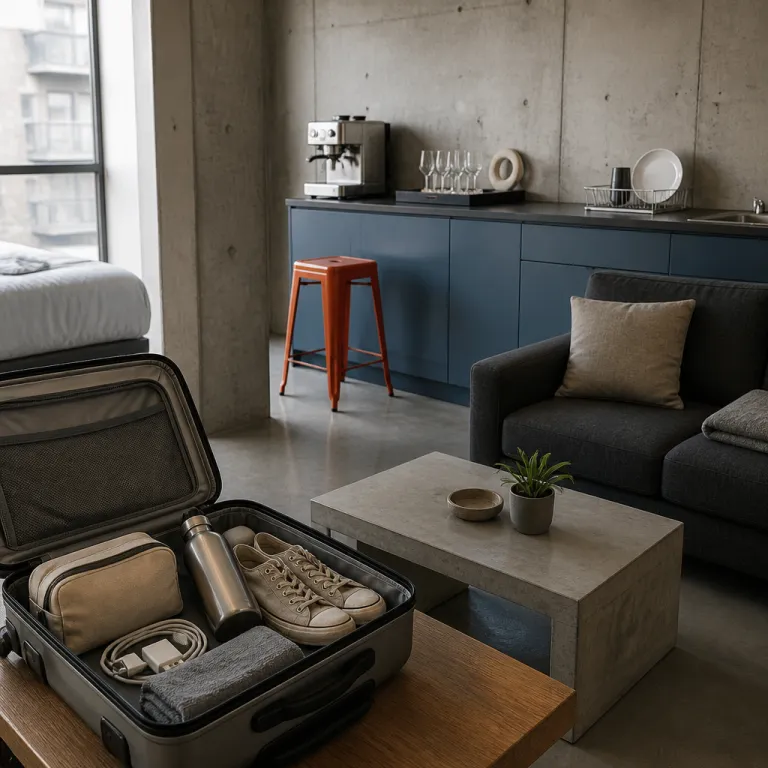
Reading between the checkboxes: when vacation apartment amenities are worth it
Scroll any luxury listing and the amenities section reads like a wish list. Hosts pile on every possible amenity and apartment feature, hoping more icons will justify a higher rent and signal a premium lifestyle. Yet the real question for couples booking a romantic stay is simple: which vacation apartment amenities are worth it for the way you actually travel?
The most consistent pattern researchers see is a gap between what looks impressive online and what shapes your days in the space. A Cornell University study on hotel amenity usage by Chekitan S. Dev, Rebecca W. Hamilton, Roland T. Rust, and Matthew V. Valenti (Cornell Hotel and Restaurant Administration Quarterly, 2007) compared anticipated versus actual use of roughly 50 services. Guests overestimated their use of “special” features by as much as 20–30 percentage points and underestimated everyday basics by similar margins. That same psychology now plays out in vacation apartments, where residents and short‑term tenants scroll through long lists of apartment amenities that sound indulgent but rarely affect sleep quality, morning routines, or how quickly you can get out the door for an adventure.
For a couple, the best apartment is usually the one where the core amenity mix quietly supports your shared rituals. Think of air conditioning that actually cools the bedroom, a washer dryer that lets you pack light, and efficient appliances that make a late‑night pasta feel effortless. Those are the amenities worth paying for, while many extra features cluttering the unit description — from unused game consoles to decorative fireplaces — rarely earn their share of the included rent.
Adventure ready or Instagram ready? Amenities that matter when you head outdoors
When your trip revolves around adventure and leisure activities, the right amenities apartment setup turns the unit into a launchpad rather than a backdrop. In mountain destinations, for example, a heated storage space for skis or boards is more valuable than a second television, and a reliable washer dryer beats a fragile decorative light fixture every time. If you are eyeing ski in ski out apartments, a listing like the seamless mountain escape options in Tahoe shows how smart amenity planning can support long days on the slopes without sacrificing comfort at home.
Look closely at how the property handles gear, drying, and recovery rather than just the headline swimming pool or generic pool access. A genuinely pet friendly apartment with a small pet spa corner for muddy paws, unit laundry for quick base layer refreshes, and efficient appliances in the kitchen will serve you better after a stormy hike than any photo‑ready lobby. These are the quiet amenities features that make adventure trips feel civilized, especially when the community also offers secure parking and easy access to public transportation for days when you leave the car behind.
Outdoor‑focused couples should also read reviews for clues about noise, water pressure, and air conditioning performance, because those details rarely appear in the amenity list but define how well you actually rest. When residents praise community spaces for post‑hike stretching or mention that the fitness center has proper free weights rather than just treadmills, you know the apartments were designed with active tenants in mind. That is when vacation apartment amenities are worth it: they extend your range outdoors instead of distracting you indoors.
The coffee machine test: kitchen, connectivity, and the real daily luxuries
One simple way to judge whether vacation apartment amenities are worth it is what I call the coffee machine test. If the apartment nails the coffee setup, the kitchen layout, and the connectivity, chances are the host has also thought carefully about the rest of the unit. A serious machine, decent beans, and enough counter space to make breakfast together say more about the lifestyle you will enjoy than any oversized television or ornamental pool.
In practice, that means looking beyond the generic phrase amenities included and asking what is actually included in the rent that you will touch every day. Is there a full‑size fridge, efficient appliances, and enough storage space for a proper market haul, or just a mini fridge and a decorative wine rack that photographs well but frustrates real cooking? Does the listing specify unit laundry or a shared washer dryer in the basement, and are basic kitchen amenities apartment essentials like sharp knives, pans, and glassware clearly mentioned or just implied by a single word like kitchenette?
Couples who care about food and slow mornings should treat the kitchen and workspace as non‑negotiable amenity zones, especially in high‑floor penthouse for rent style apartments where you are paying for both view and function. A comfortable table with good light, strong Wi‑Fi, and smart plugs for devices can turn the space into a temporary studio, making longer stays feel natural. When those everyday apartment amenities are strong, the extra features — from a small pool to rooftop community spaces — become pleasant bonuses rather than compensation for a weak core.
From checkbox culture to lived experience: how platforms distort amenity value
Most major booking platforms reward hosts for ticking more amenity boxes, not for curating the amenities people actually use. That incentive mismatch explains why you often see a long scroll of features that include everything from a symbolic fitness center to a rarely used swimming pool, while basic items like blackout curtains or quiet air conditioning barely get a mention. The result is a glossy amenity culture where quantity signals luxury, even when the underlying property feels thin once you arrive.
Academic research on hotels shows how unreliable our own predictions can be. In the Cornell study by Dev, Hamilton, Rust, and Valenti (2007), guests significantly overestimated their use of alarm clocks, spas, and in‑room dining, while underestimating how often they would rely on lobby seating, valet parking, and concierge services. Translate that to vacation apartments and you get a similar pattern, where travelers fixate on dramatic extras like a rooftop pool or a designer fireplace but end up caring more about unit laundry, sound insulation, and how quickly they can reach public transportation. Hosts, chasing algorithmic favor, respond by adding more nice amenities to the listing rather than investing in the quiet upgrades that make residents and short‑term tenants genuinely comfortable.
For couples, the way to cut through this is to read listings and reviews as if you were signing a longer lease, not just booking a weekend. Guides that approach vacation apartments with a lease‑level mindset, such as premium family checklists on what to verify before committing to a vacation apartment lease, can be surprisingly useful even for shorter romantic stays. They push you to ask whether the amenities included in the rent align with your daily rhythm, from where you will store luggage to how you will handle laundry, instead of being distracted by a long but shallow amenity list.
How to decode reviews: spotting real amenity satisfaction
Reviews are where the truth about vacation apartment amenities worth it quietly surfaces, if you know how to read them. Ignore the boilerplate praise that simply repeats listing language about nice amenities or a great fitness center, and look for specific descriptions of how people used the space. When residents or guests mention cooking full meals, working remotely, or rinsing off in the pool after a long day, you are hearing about lived experience rather than marketing.
Pay attention to patterns in how different reviewers talk about the same amenity or apartment feature. If several couples highlight that the air conditioning was quiet enough to sleep with, that the pet friendly policy felt genuinely welcoming rather than grudging, or that the parking arrangement was seamless even during busy weekends, those are strong signals that the property delivers on its promises. Conversely, repeated mentions of confusing access to community spaces, a cramped fitness center, or unreliable washer dryer units suggest that the amenities features exist on paper but not in practice.
Finally, read for what is missing as much as what is praised, especially in high‑end apartments where expectations run high. A luxury unit that never earns a single comment about the swimming pool, the pet spa, or the advertised smart home system may have invested in the wrong extras, while a simpler property that keeps earning compliments for storage space, efficient appliances, and thoughtful community amenities is probably getting the fundamentals right. Those are the places where vacation apartment amenities are worth it because they quietly support the way you actually live, not the way a listing imagines you might.
Quick checklist: high‑impact vs. low‑impact amenities for couples
High‑impact everyday essentials: quiet air conditioning or heating, comfortable bed and blackout curtains, strong Wi‑Fi, in‑unit or easily accessible washer dryer, well‑equipped kitchen with efficient appliances, secure parking or convenient public transportation access.
Often low‑impact extras: oversized televisions, decorative fireplaces, symbolic fitness centers with minimal equipment, ornamental pools that are hard to access or rarely used, elaborate smart home systems that reviewers never mention, and purely decorative lighting features.
FAQ
Which vacation apartment amenities are usually worth paying extra for?
For most couples, the amenities worth a higher nightly rate are those that affect sleep, comfort, and daily routines. Quiet and effective air conditioning, reliable unit laundry or an in‑apartment washer dryer, strong Wi‑Fi, and a well‑equipped kitchen with efficient appliances usually deliver more value than a decorative swimming pool or a marginal fitness center. Secure parking and easy access to public transportation can also justify extra cost in dense urban areas where mobility shapes your entire stay.
How can I tell if an amenity listed will actually be usable?
The most reliable method is to cross‑check the amenity list against guest reviews and photos. If reviews mention using the pool, the fitness center, or community spaces in concrete ways, those amenities are probably well maintained and accessible. When an amenity appears in the listing but never in reviews, or only in complaints, treat it as a marketing extra rather than a guaranteed part of the experience.
Are pet friendly amenities in vacation apartments really worth it for couples?
If you travel with a pet, genuinely pet friendly apartments can transform the trip by reducing stress and logistics. Look for details such as clear pet policies, ground‑level access for quick walks, and practical touches like a small pet spa area or washable throws on sofas, rather than just a single pet friendly checkbox. When those elements are present, the extra fee or slightly higher rent usually pays off in comfort for both you and your animal.
Do shared amenities like a pool or gym matter on short city breaks?
On a two or three night city stay, shared amenities only matter if they align with your actual plans. A compact but functional fitness center can be valuable if you keep a strict routine, while a pool may go unused if you spend most hours exploring the neighbourhood. Prioritize apartment amenities that you will touch every morning or evening — such as storage space, unit laundry, and a comfortable dining or work area — before paying for dramatic extras.
What should I do if an important amenity is missing from the listing?
When a key amenity such as air conditioning, parking, or washer dryer access is not clearly mentioned, message the host directly before booking. Ask specific questions about the amenity, its location in the property, and whether it is included in the rent or requires an extra fee. If the answer feels vague or inconsistent with reviews, it is safer to choose another apartment where the amenity details are explicit and repeatedly confirmed by guests.
Sources
Cornell University School of Hotel Administration; Dev, C. S., Hamilton, R. W., Rust, R. T., & Valenti, M. V. (2007). Research on discrepancies between anticipated and actual use of hotel amenities, published in Cornell Hotel and Restaurant Administration Quarterly, including a mid‑2000s study comparing predicted and real usage of approximately 50 services.
American Hotel and Lodging Association; reports on evolving guest expectations and amenity trends in U.S. accommodations.
U.S. Travel Association; data and insights on traveler behavior, trip purpose, and spending patterns across leisure segments.