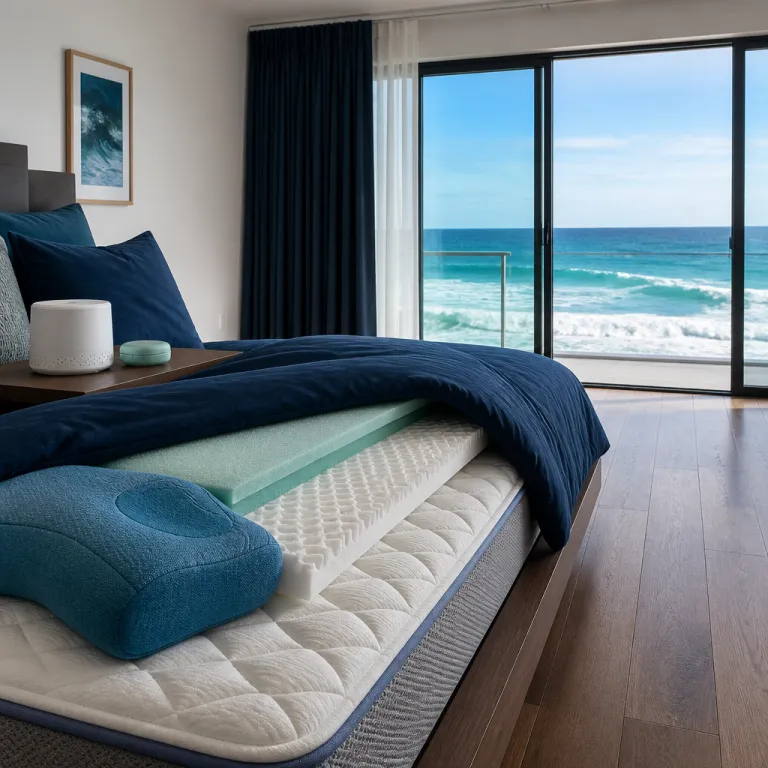
Sleep-focused vacation apartment design as the new luxury baseline
Sleep-focused vacation apartment design has quietly become the real marker of luxury. In a market where wellness tourism is expanding and guests are willing to pay a premium for restorative stay experiences, the apartments that win are those where the bedroom is treated as a piece of sleep architecture rather than just another room. When you book a vacation rental now, the smartest move is to read the listing as a blueprint for how your body will actually rest, not just how the photos make you feel.
Architects, interior designers and property developers are increasingly working with sleep experts to create spaces where every design decision supports deep sleep. This means the bedroom design is planned around circadian lighting, acoustic isolation and material choices, while the rest of the interior design follows that lead instead of the other way around. For travelers choosing between several vacation rental options, this shift turns the master bedroom into the true focal point of value, not the living room or the view.
Data from recent travel surveys shows that a majority of travelers now prioritise sleep quality when choosing accommodation. Industry reports also track a sharp increase in apartments and other rentals that advertise sleep-focused amenities, which aligns with the rise of sleep tourism as a distinct segment of wellness tourism. When you scroll through listings, you are not just comparing style or color palette any more ; you are comparing how well each space will let your nervous system switch off.
Sleep architecture, in this context, means designing spaces to promote optimal sleep rather than retrofitting a standard bedroom with softer bedding. The most advanced properties integrate technology for personalised sleep environments, but they hide it so the space feel remains calm and organic. As a guest, you should expect that the best luxury vacation rental options now treat the bedroom as a wellness tool, not a decorative afterthought.
Circadian lighting and the quiet science behind a truly dark room
When you evaluate sleep-focused vacation apartment design, start with lighting rather than thread count. Circadian lighting systems shift from cooler, brighter tones in the morning to warmer, dimmer light in the evening, helping your body regulate melatonin and making the bedroom feel like a gentle cue to wind down. In listing photos, look for layered lighting rather than a single ceiling fixture, because that usually signals a considered approach to both function and mood.
Good hosts will describe dimmable lighting, bedside lamps and sometimes wall mounted reading lights that keep the rest of the room in shadow. In a small bedroom, this kind of targeted lighting can create a surprisingly cozy bedroom atmosphere without overwhelming the space, especially when combined with a warm color palette and soft bedroom decor. If the apartment description mentions smart controls or pre set scenes, that is often a sign that interior design and sleep science have been planned together rather than bolted on.
Darkness is just as critical as light. Not all blackout solutions are equal, and you should read carefully to see whether the bedroom has true blackout curtains, external shutters or only standard blinds that leak light at the edges. Reviews where guests mention early sunrise or street lighting slipping through the wall side gaps are a red flag if you are booking a short term stay specifically for rest.
Thermal blackout curtains do double duty by stabilising temperature and blocking light, which matters if you are staying in a city where façades reflect glare late into the night. Ask hosts whether the bedroom has individually controlled climate, because a bed in a beautifully styled room means little if you cannot keep the temperature between about 18 and 20 degrees Celsius. For deeper guidance on how functional details often matter more than headline features, see our analysis of apartments that actually deliver on everyday comfort, which applies just as strongly to sleep as to cooking.
Acoustic engineering, materials and the feel of engineered quiet
The phrase “quiet street” in a listing tells you almost nothing about how the bedroom will actually sound at 02.00. Sleep-focused vacation apartment design treats silence as a material, using soundproof glazing, insulated walls and soft finishes to absorb noise before it reaches the bed. When design teams talk about sleep architecture, they are usually referring to this layering of structure, materials and layout to create a calm acoustic envelope.
Look for clues in the photos and description that the bedroom is set back from the main façade, or that the master bedroom shares a wall with an internal courtyard rather than a busy street. Apartments that mention acoustic glass, solid core doors or soundproof materials are usually signalling that architects and interior designers have worked together to create a space where guests will actually sleep through city life. In open plan layouts, a partial wall or sliding partition that separates the sleeping area can dramatically change how the space feel translates into rest.
Materiality matters as much as layout. Natural textures such as wool rugs, upholstered headboards and heavy curtains help dampen sound while also making the room feel like a cozy bedroom rather than a hard surfaced showroom. When you see bare concrete, minimal soft furnishings and no visible rugs, assume that every footstep and suitcase wheel in the corridor may travel straight into your room.
Wall art can also play a subtle acoustic role, especially when framed with fabric backing or hung over shared walls to reduce vibration. In smaller rentals, a murphy bed folded into a wall mounted cabinet can free floor space by day, but you still want to see soft elements that add both style and sound absorption when the bed is down. For a deeper dive into why resisting generic, echoing interiors matters for your rest, our feature on the rebellion against standardised apartment design explains how characterful materials often support better sleep.
Mattresses, bedding and the visual clues hidden in listing photos
Most guests scan photos for views and living room seating, but sleep-focused vacation apartment design asks you to read the bed like a product spec sheet. A high quality mattress with visible depth, a supportive base and breathable linens will usually show up in photos as a bed that looks substantial rather than flimsy. When hosts specify mattress brands, firmness levels or hypoallergenic materials, they are signalling that sleep is part of the rental’s core design, not an afterthought.
Zoom in on the bedroom images and study how the bed sits within the room. A master bedroom where you can walk comfortably around both sides of the bed, with side tables and wall mounted lamps, usually indicates that the space was planned for couples rather than retrofitted from a small bedroom. In contrast, if the bed is pushed against a wall or squeezed under a low window, you are likely looking at a layout where design has followed floorplan constraints rather than sleep science.
Textiles tell their own story. Layered bedding with a visible top sheet, duvet and throw often points to a host who understands temperature regulation and the different ways guests sleep. Natural textures such as linen, cotton and wool breathe better than synthetics, and you can often identify them by their matte finish and relaxed drape in the photos.
Bedroom decor should support rest rather than compete with it. A calm color palette on the walls, limited patterns and a single piece of wall art as a focal point above the headboard usually create a more restful feel than a gallery wall of bright prints. When you read reviews, pay attention to any mention of the bed, because comments about “best sleep ever” or “too soft for my back” are often more reliable than the listing copy itself.
Layout, multiuse spaces and what to ask before you book
Urban vacation rentals often rely on flexible layouts, which can either support or sabotage sleep. A murphy bed in the living room can be a clever solution in a small space, but only if the wall mounted mechanism is solid, the mattress is full depth and the room can be darkened as effectively as a dedicated bedroom. When you evaluate these bedroom ideas in listings, imagine where noise, light and airflow will actually move once you are lying down.
For couples booking a short term stay, ask hosts specific questions about the sleep setup before you commit. You should ask about street noise hours, whether the bedroom faces an internal courtyard or a main road, and what kind of blackout solutions are installed on each wall with windows. It is also worth asking whether the apartment has cross ventilation or mechanical ventilation, because a cozy bedroom that overheats at night will undermine even the best mattress.
Hosts who understand sleep tourism will usually respond with concrete details rather than vague reassurances. They might mention double glazing, soundproof doors, independent climate control in each room and the ability to adjust lighting color temperature. Some will also explain how they worked with architects or wellness consultants to create a sleep-optimised space, which is a strong sign that the entire design has been considered through the lens of rest.
As you compare options on a luxury booking platform, remember that the most restorative apartments are often the ones where the bedroom design is quietly excellent rather than visually loud. The best term rental or longer vacation rental will be the one where guests will argue about whether to cook in or eat out, but never about who slept badly. For more on how privacy, layout and everyday rituals shape true luxury, our feature on why privacy has become the new penthouse offers a useful lens for reading between the lines of any listing.
How to read listings through the lens of sleep architecture
Once you start looking for sleep-focused vacation apartment design, you will see patterns that separate marketing from genuine sleep architecture. Listings that mention soundproof materials, blackout curtains, ergonomic furniture and collaboration with sleep experts are usually drawing from the same playbook that has transformed high end hospitality in recent years. As one industry explanation puts it, “What is sleep architecture? Designing spaces to promote optimal sleep.”
Guest experience research shows that improving sleep quality in vacation rentals directly improves satisfaction and review scores. Properties that integrate calming color schemes, optimised lighting and acoustics, and thoughtful bedroom design tend to achieve higher occupancy because they deliver what wellness tourism travelers actually seek. When you read a listing, treat every mention of lighting, wall finishes, bedroom decor and layout as data points in a larger design strategy.
To apply this in practice, create a simple checklist before you book. For each apartment, note whether the bedroom has controllable lighting, real blackout solutions, individually controlled temperature and a bed that looks structurally solid with breathable textiles. Then cross check reviews for mentions of noise, early morning light, temperature swings and how guests feel about their sleep.
Sleep architecture is no longer a niche concept reserved for experimental properties. It has become a quiet standard for the best luxury vacation rental apartments worldwide, especially in destinations where wellness and sleep tourism intersect. When you choose your next vacation apartment with this lens, you are not just booking a place to stay ; you are curating the quality of the hours you do not see in the photos.
FAQ
What is sleep architecture in a vacation apartment context ?
Sleep architecture in a vacation apartment context means designing the bedroom and surrounding spaces specifically to promote optimal sleep through lighting, acoustics, layout and materials. It goes beyond soft furnishings to include structural choices such as window placement, insulation and climate control. The goal is to create an environment where your body can follow its natural sleep cycles with minimal disruption.
Why is sleep so important in vacation rentals for couples ?
Sleep is crucial in vacation rentals because it directly affects how much you enjoy your days, especially on short trips where every hour matters. Well rested couples are more likely to explore, connect and make use of the apartment’s amenities rather than recover from a bad night. For many travelers, a vacation apartment that supports deep sleep offers better value than a larger space with poor rest conditions.
How can design improve sleep quality in a rental bedroom ?
Design improves sleep quality by controlling light, sound, temperature and tactile comfort in the bedroom. Features such as circadian lighting, blackout curtains, soundproof glazing, natural textures and supportive mattresses all contribute to a more stable sleep environment. When these elements are planned together, the result is a room that quietly guides your body toward rest instead of fighting against it.
What should I ask a host about sleep before booking ?
You should ask about street noise levels at night, the type of windows and curtains in the bedroom, and whether there is independent climate control. It is also useful to ask which direction the bedroom faces and whether any bright external light sources are nearby. Clear, specific answers usually indicate that the host understands and values sleep quality.
Are sleep-focused apartments more expensive, and are they worth it ?
Sleep-focused apartments often sit at a premium price point because they use higher quality materials, better glazing and more advanced lighting and climate systems. For travelers who value wellness and productivity, the improved rest can justify the higher nightly rate, especially on shorter stays. Many guests report that a smaller but well designed apartment that supports deep sleep feels more luxurious than a larger space with poor sleep conditions.