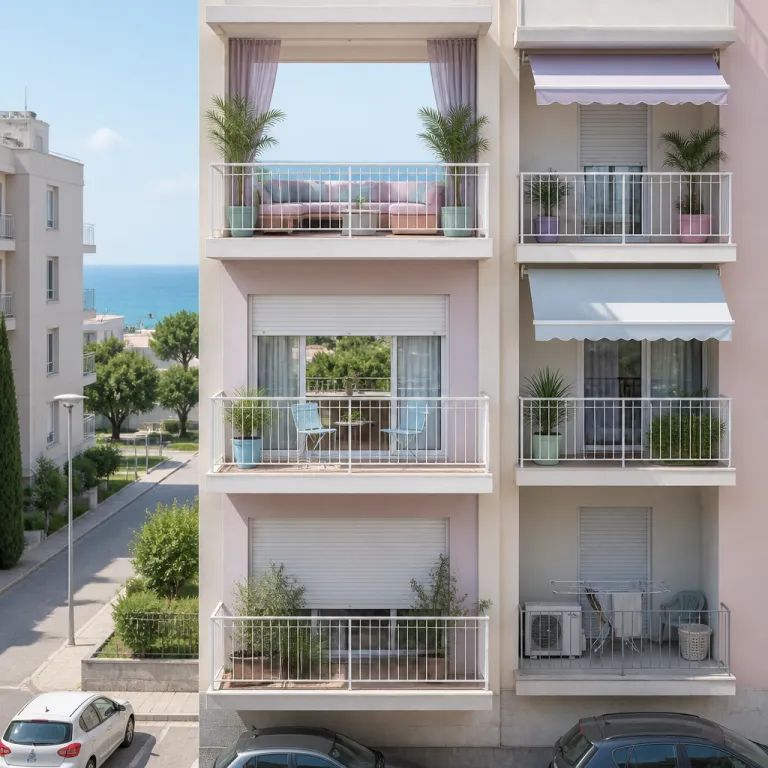
Section 1 – How vacation apartment price comparison in the same building really works
Stand in the lobby of any luxury high rise and you will often find two so called identical vacation apartments commanding very different nightly rates. For travelers focused on vacation apartment price comparison in the same building, that gap is not random but the result of deliberate pricing strategies shaped by developers, real estate agents and host behaviour. When you understand how the real estate market, digital booking platforms and property management practices intersect, you can read those prices as clearly as a floor plan.
Developers set the initial price for each property and then real estate agents adjust those prices as demand shifts across seasons and major events. This same logic filters into the vacation rentals ecosystem, where each vacation rental in the same tower becomes a micro case study in how the market values view, layout, host reputation and guest communication. Identical floor plans do not mean identical value, so a careful vacation apartment price comparison in the same building is your best tool for securing a premium stay at a rational rate.
Behind the scenes, pricing algorithms ingest data from real estate databases, airbnb style platforms and direct booking engines to refine every term rental or short term stay. These tools help hosts and property management companies respond to local demand, competitor rentals offer and even changing local regulations. For you as a guest, the goal is simple ; use that same data driven mindset to compare properties, read each review with intent and decide whether a higher price reflects genuine quality or just clever positioning.
Section 2 – Floor level, orientation and the quiet power of the view
One of the most consistent patterns in any vacation apartment price comparison in the same building is the premium attached to height and outlook. Research from residential markets shows that higher floors often command around ten percent more than lower ones, and the same psychology applies when you compare vacation homes stacked above each other. The question for a premium family is whether that extra cost translates into better sleep, more privacy and a view that genuinely enhances your vacation.
Pricing data from traditional property markets indicates that view alone can add roughly fifteen percent to an apartment’s value, and hosts know this when they position their vacation rentals and term rentals online. A twelfth floor rental property facing the skyline will usually be priced above a second floor unit looking into a courtyard, even if the property type, layout and square metres are identical. The dataset used by many pricing tools is blunt about this reality ; “Why do higher floors cost more? Better views, less noise, and increased privacy.”
Orientation matters just as much as altitude, especially in dense urban escapes where local noise and sunlight patterns define the stay. South or west facing vacation rental properties with long afternoon light, or a same vacation pair of apartments where only one catches the river view, will show clear price divergence in any careful vacation apartment price comparison in the same building. Yet families with young children may prefer a lower floor with garden access, shorter lift waits and easier guest support from local hosts who can reach the apartment quickly for maintenance or emergencies.
Section 3 – Furnishing, styling and the invisible work of property management
Walk into two adjacent rentals and you immediately feel why one commands a higher nightly rate, even before you check the booking confirmation. Professionally styled interiors with cohesive furniture, layered lighting and art that reflects the local neighbourhood tend to photograph better, rank higher on airbnb and similar platforms, and attract guests willing to pay more for the same floor plan. That visual polish is rarely accidental ; it usually signals serious property management behind the scenes.
In many urban properties, the same management company operates multiple vacation rentals and term rentals within one complex, yet each vacation rental is positioned differently in the market. One unit might be optimised for short term city breaks with flexible check in, hotel level linens and daily maintenance, while another is configured for long term stays with a desk, extra storage and discounted monthly rates. When you compare a term rental aimed at executives with a family focused rental property in the same stack, the price gap reflects not only décor but also expected income, cash flow stability and the cost of ongoing guest support.
Serious hosts treat every property as a small hospitality business, tracking service fees, cleaning schedules and local regulations with the same discipline as a hotel revenue manager. They invest in durable finishes that reduce maintenance costs over the term of ownership, refine guest communication templates and sometimes offer the option to book directly property through their own site to control margins. In destinations where local laws favour longer leases, such as refined urban escapes highlighted in guides to long term luxury apartment stays, that management sophistication becomes a key reason why two visually similar apartments can sit at very different price points.
Section 4 – Host reputation, reviews and the compounding effect of trust
Once you move beyond the bricks and mortar, host reputation becomes the quiet force reshaping any vacation apartment price comparison in the same building. A host with hundreds of five star reviews, impeccable guest communication and a track record of fast responses can often charge more than a neighbour with the same layout and view. This is not just platform vanity ; it is the market signalling that reliability and service are worth paying for when you travel with children or elderly parents.
On airbnb and similar platforms, Superhost style status is earned over time through consistent review scores, low cancellation rates and strong guest support metrics. That history reassures families booking premium vacation homes that late check in will be smooth, that maintenance issues will be handled quickly and that local recommendations will be thoughtful rather than generic. When you compare two properties in the same tower, one with a thin review history and another with years of praise for cleanliness and communication, the higher price on the latter usually reflects reduced risk rather than pure profit.
Look closely at how hosts respond to criticism, because those replies reveal their approach to property management and respect for local laws. A professional host will reference updated local regulations, explain how they manage noise or occupancy limits and outline concrete steps taken after any maintenance complaint. When you see that level of transparency repeated across multiple rentals in the same building, you are effectively paying for a proven hospitality culture, not just a key to a single family style apartment.
Section 5 – Policies, pricing strategy and how to compare value per night
Two apartments can share a corridor yet follow radically different pricing strategies, which is why a thoughtful vacation apartment price comparison in the same building must go beyond the headline nightly rate. Flexible cancellation policies, included cleaning, reduced service fees and seasonal discounts all shape the real cost of a vacation, especially for a premium family planning far ahead. Hosts and managers use a mix of long term and short term tactics to balance occupancy, income and risk.
One vacation rental might offer strict cancellation with lower nightly prices, effectively rewarding guests who have fixed travel dates and are comfortable carrying more risk. Another vacation rental in the same stack may build flexibility into the rate, allowing free cancellation until a week before arrival and charging more to offset potential gaps in the calendar. When you compare these properties, calculate the total cost for your exact term of stay, including cleaning, taxes and any platform service fees, then weigh that against your likelihood of changing plans.
Advanced hosts often run dynamic pricing tools that respond to local demand spikes, from festivals to school holidays, while still respecting local regulations on maximum rates or permitted term rentals. For families who value certainty, it can be worth paying slightly more for a listing where guest communication is fast, house rules are clear and the host explains how they comply with local laws on noise, occupancy and rental property registration. That clarity reduces the risk of last minute cancellations due to enforcement sweeps, which can be more disruptive than a modest price premium on an otherwise similar apartment.
Section 6 – A step by step method to compare identical apartments like an insider
When you are staring at three near identical listings in one tower, a structured approach to vacation apartment price comparison in the same building turns confusion into clarity. Start by filtering for the same property type, similar floor levels and matching bed counts, then open each listing in separate tabs to compare photos, amenities and floor plans side by side. Treat this like a mini market analysis, the way a real estate agent would evaluate competing properties for a single family buyer.
Next, read every recent review with a focus on patterns rather than isolated complaints, noting how often guests mention noise, lift waits, water pressure or slow maintenance. Pay attention to how hosts describe their rentals offer, whether they highlight direct access to a pool, better morning light or proximity to a quieter courtyard, and whether they reference compliance with local regulations or building rules. Cross check those claims against satellite maps and street level images so you understand the real context of each property before committing your vacation budget.
Finally, calculate value per night by dividing the total cost, including cleaning and service fees, by the number of nights, then compare that figure across all similar rentals in the same complex. If two apartments are still neck and neck, let softer factors break the tie ; stronger guest support, clearer house manuals, better child friendly layouts and more thoughtful local tips often matter more than a marginal price difference. For inspiration on how nuanced these trade offs can be, look at curated guides to secondary cities where apartment quality outranks headline destinations, such as the analysis of urban apartments that outperform their flagship neighbours, or seasonal pieces on luxury vacation apartments for foliage focused escapes where the view genuinely earns its premium.
Key figures that explain price gaps between identical apartments
- Across many urban markets, higher floors in residential buildings command around 10 % higher prices than lower floors with the same layout, largely due to reduced noise and increased privacy, and this pattern often carries over into vacation rentals within the same towers (HomeFinder data).
- Studies of apartment sales show that units with superior views can achieve price premiums of roughly 15 % over otherwise identical properties, which helps explain why two vacation homes in the same building can have sharply different nightly rates (Knownable analysis).
- Dynamic pricing tools used by professional hosts and property management companies adjust nightly rates daily based on local demand, competitor listings and seasonality, which can create visible price swings between similar apartments even within a single week.
- In many major cities, local regulations on short term rentals cap the number of nights a property can be rented each year, pushing hosts to raise prices on permitted nights to maintain income and cash flow, especially for high quality single family style units.
- Guest review scores have a measurable impact on pricing ; properties with average ratings above 4.8 out of 5 often sustain higher occupancy at higher rates than those below 4.5, which encourages experienced hosts to invest more in maintenance and guest communication.
Frequently asked questions about price differences in the same building
Why do higher floors usually cost more than lower floors?
Higher floors tend to be quieter, offer better views and provide more privacy, which many guests value enough to pay a premium for. In both residential sales and vacation rentals, this preference translates into higher prices for otherwise identical layouts stacked higher in the building. When comparing apartments, decide whether those benefits matter for your specific vacation before paying extra.
Does apartment orientation really affect vacation rental pricing?
Orientation influences sunlight, heat gain and the quality of the view, all of which shape guest satisfaction. Units facing water, parks or iconic skylines usually command higher rates than those facing internal courtyards or busy roads. Hosts and pricing tools factor these differences into nightly rates, even when the floor plans are identical.
How much do amenities and building facilities impact the price?
Apartments with access to pools, gyms, secure parking or concierge style services typically cost more than units without those features in the same complex. The impact is strongest in urban escapes where such amenities are scarce or expensive to access elsewhere. When comparing listings, check whether the higher price includes exclusive facilities or just better marketing language.
Can host reputation alone justify a higher nightly rate?
Strong host reputation often justifies a modest premium because it reduces the risk of problems during your stay. Hosts with long histories of five star reviews, fast responses and proactive guest support usually manage maintenance better and respect local laws more carefully. For families or longer stays, that reliability can be worth more than a small saving on a less proven listing.
How should I compare total costs between similar apartments?
Always compare the full cost of each stay, not just the base nightly rate. Add cleaning charges, platform service fees, taxes and any parking or extra guest fees, then divide by the number of nights to get a true per night figure. This method reveals which apartment actually offers better value when two listings in the same building look similar at first glance.