The quiet cost of comfort: why your vacation apartment footprint matters
Most travelers now think about flights when they weigh their vacation apartment environmental footprint sustainability, yet the place you sleep can quietly rival your plane seat in energy use. A luxury vacation rental with always on air conditioning, inefficient appliances, and wasteful lighting can burn through more energy in a week than your apartment living does in a month, especially when guests treat it as a consequence free zone. When you start reading listings through an eco conscious lens, the gap between marketing and measurable sustainability becomes impossible to ignore.
On premium vacation rentals platforms, green badges and leaf icons often signal intention rather than proven sustainable practices, so you need to look past the logo and into the property details. A truly eco friendly vacation rental will share data about energy per guest night, water consumption per stay, and waste reduction rates, because those numbers reveal the real environmental impact of your friendly vacation. When hosts talk clearly about carbon footprint, renewable energy sources, and specific environmental practices, you are no longer buying a story, you are investing in sustainable living for the duration of your trip.
Think of each vacation apartment as a small piece of real estate infrastructure that either amplifies or softens tourism’s carbon load, especially in dense cities such as Los Angeles or Barcelona. An energy efficient apartment with smart thermostats, efficient appliances, and low flow water fixtures can cut the environmental impact of short term rentals dramatically, while a poorly maintained property leaks both heat and money. When you choose environmentally conscious apartment rentals, you are voting for a version of travel where comfort, design, and sustainability coexist rather than compete.
Reading between the lines of green claims in luxury listings
Scroll through any high end vacation rentals platform and you will see the same language repeated about eco friendly design, green living, and sustainable practices, yet very few listings quantify what that means. The most credible vacation rental hosts treat sustainability as a measurable part of the property, sharing numbers on energy use, water savings, and waste diversion alongside square metres and bed counts. When a listing mentions solar panels, renewable energy contracts, or automated energy management, ask how much of the apartment’s annual energy actually comes from those systems.
Look for specific environmental practices rather than vague adjectives, such as LED lighting throughout the apartment, Energy Star rated efficient appliances in the kitchen, and induction cooktops that reduce wasted heat. A genuinely eco conscious vacation apartment will often highlight low flow showers, dual flush toilets, and rainwater or greywater systems that cut water use per guest, which matters in drought stressed destinations such as Los Angeles. When hosts explain their cleaning products policy, from non toxic detergents to refillable amenities, you can see how deeply sustainability is woven into daily operations.
Design language can also signal priorities, especially when it leans toward biophilic interiors, natural materials, and cross ventilation instead of sealed glass boxes that rely on constant air conditioning. For a deeper sense of how aesthetics and sustainable living intersect, guides such as the living room test for biophilic design in luxury apartment stays show how green thinking can shape both comfort and carbon. When you combine these design cues with hard data on environmental impact, you move from marketing gloss to a clear picture of the vacation apartment environmental footprint sustainability profile.
What measurable sustainability looks like in a vacation apartment
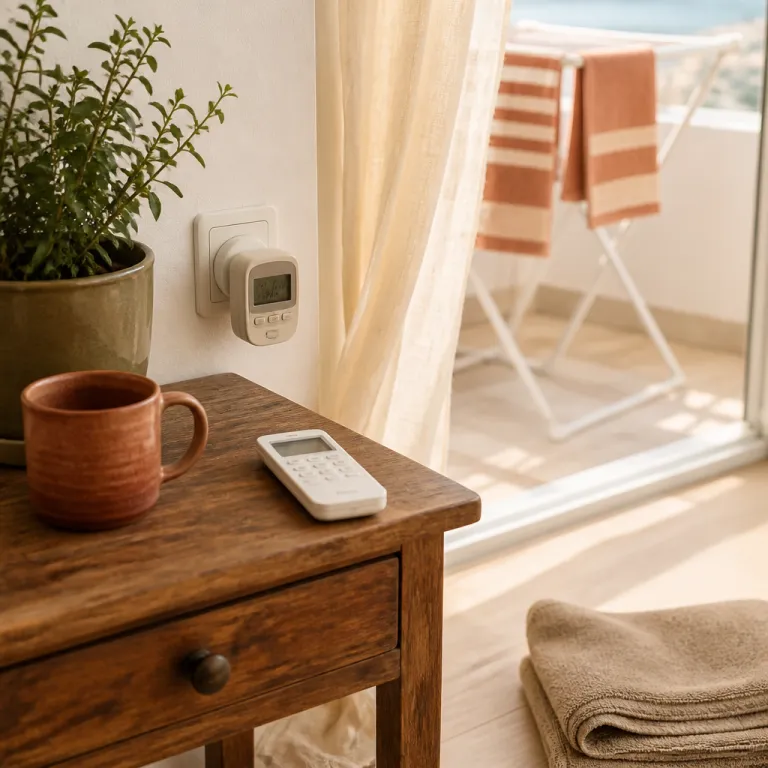
In the most advanced luxury vacation rentals, sustainability is tracked with the same precision as occupancy, with operators monitoring energy per guest night, litres of water per stay, and kilograms of waste per departure. Automated systems adjust heating and cooling when guests leave the apartment, while smart plugs and sensors flag unusual energy spikes that might indicate a malfunctioning appliance or careless usage. This kind of data driven apartment living turns sustainability from a slogan into a set of verifiable sustainable practices that reduce both costs and carbon footprint.
For a solo traveler booking a short term vacation rental, the most telling metrics are often simple, such as whether the property uses 100 percent renewable energy, how much waste goes to recycling or compost, and how water efficient the fixtures are. Hosts who can say that their vacation rentals divert more than half of guest waste from landfill, or that their solar panels cover a significant share of annual electricity, are offering more than a friendly vacation narrative. They are showing that the vacation apartment environmental footprint sustainability story is backed by numbers, not just eco friendly language.
Some of the most compelling examples come from operators who publish annual sustainability reports for their portfolio of rentals, detailing energy intensity, environmental impact, and progress on sustainable living goals. These reports often reveal that older, well insulated buildings with thoughtful retrofits can outperform new builds on energy efficient performance, even when the newer properties showcase dramatic solar panels on the roof. When you see a vacation rental that combines careful building maintenance, efficient appliances, and robust waste reduction systems, you are looking at a property where environmental responsibility is part of the business model rather than an afterthought.
Apartment stays versus hotels: where the numbers surprise
Many eco conscious travelers assume that hotels are always worse for the planet than vacation rentals, yet the reality is more nuanced when you look at per guest environmental impact. Large hotels often benefit from centralized energy systems, professional maintenance, and industrial scale laundry that can be surprisingly energy efficient per kilogram, while a poorly managed apartment rental may waste energy through constant heating or cooling of empty rooms. The vacation apartment environmental footprint sustainability equation depends heavily on occupancy patterns, building fabric, and how guests actually use the space.
In a compact city apartment designed for apartment living, shared walls reduce heat loss, and efficient appliances can keep energy use per person low, especially for solo travelers or couples. By contrast, a sprawling vacation rental villa with a private pool, underfloor heating, and always on outdoor lighting can generate a much higher carbon footprint per night, even if it markets itself as eco friendly. When you compare options, ask yourself how many guests the property is designed for, how many will actually stay, and whether the energy systems match that real world usage.
Water and waste tell a similar story, because hotels often have structured waste reduction programs and linen reuse policies, while short term rentals may rely on guests to separate recycling without clear guidance. The most environmentally conscious vacation rentals now mirror hotel level systems, providing labelled bins, clear instructions, and sometimes even weighing waste to track diversion rates over time. When you choose a property that treats sustainability with this level of seriousness, you are aligning your travel habits with a version of luxury that respects both comfort and planetary limits, especially when you stay in dense urban real estate markets such as Los Angeles.
Questions to ask hosts before you book a sustainable stay
Before you confirm a luxury vacation rental, a short message to the host can reveal more about the vacation apartment environmental footprint sustainability profile than any green badge on the listing. Ask how the property is powered, whether it uses renewable energy, and if solar panels or other systems cover a meaningful share of annual consumption rather than serving as decorative technology. When a host can explain their energy efficient measures, from smart thermostats to insulated windows, you know that sustainability is part of the property’s design rather than a marketing afterthought.
Water and waste questions are equally revealing, so ask whether the apartment has low flow fixtures, dual flush toilets, and clear guidance on recycling or composting. A host who can describe specific waste reduction practices, such as providing reusable shopping bags, refillable cleaning products, and partnerships with local recycling services, is usually managing several environmentally conscious rentals with consistent standards. When they mention collaboration with local charities for food donation or textile reuse, you see how sustainable living extends beyond the apartment walls into the surrounding community.
You can also ask about cleaning routines, because eco friendly cleaning products, microfibre cloths, and fragrance free detergents reduce both chemical pollution and indoor air issues for guests. Some operators now share anonymized data on average energy and water use per stay, which helps you understand the environmental impact of your short term visit in concrete terms. When a host responds clearly and confidently to these questions, you are not only choosing a friendly vacation base, you are supporting a version of travel where transparency and responsibility are part of the luxury experience.
Why the greenest stay might be in an older building
Shiny new developments with rooftop solar panels and dramatic eco friendly branding tend to dominate sustainability conversations, yet many of the most efficient vacation rentals hide in well maintained older buildings. Thick masonry walls, modest room sizes, and operable windows can create naturally energy efficient apartment living, especially when paired with modern efficient appliances and LED lighting. In these properties, the vacation apartment environmental footprint sustainability advantage comes from both embodied carbon already locked into the structure and lower ongoing energy demand.
By contrast, some new builds rely heavily on mechanical cooling, floor to ceiling glazing, and energy hungry amenities that look luxurious but quietly inflate the carbon footprint of every vacation rental night. When you see a listing that boasts about solar panels yet says little about insulation, shading, or passive ventilation, treat the claim as only one piece of the environmental impact puzzle. A genuinely eco conscious property balances renewable energy generation with demand reduction, waste reduction systems, and thoughtful water management, rather than leaning on a single technology.
For travelers who care about sustainable living, this means paying attention to building age, orientation, and maintenance history as much as to green gadgets. Articles such as analyses of non standard apartment design show how characterful spaces often lend themselves to cross ventilation, shading, and lower energy use, especially in dense urban neighbourhoods. When you combine these architectural advantages with hosts who invest in efficient appliances, eco friendly cleaning products, and robust environmental practices, you often end up with a vacation rental that quietly outperforms flashier options on every sustainability metric.
From green marketing to regenerative stays
The most forward thinking operators are moving beyond basic sustainable practices toward regenerative models, where each vacation rental stay leaves the destination slightly better than before. These environmentally conscious hosts track energy, water, and waste with the same rigour as revenue, then reinvest savings into local conservation projects, building upgrades, or community initiatives. In this model, the vacation apartment environmental footprint sustainability story includes not only reduced harm but also positive contributions to the neighbourhood’s long term resilience.
For a solo traveler, this shift shows up in small but meaningful details, such as partnerships with local farmers for welcome baskets, support for nearby repair cafés, or collaborations with artisans whose work reduces imported goods and associated carbon. Some properties now offer guests the option to contribute to tree planting, habitat restoration, or community solar projects that complement the renewable energy already powering the apartment. Guides to regenerative vacation apartment stays highlight how these models turn a friendly vacation into a form of sustainable living that benefits both visitors and residents.
As automated utility management and smart monitoring become standard in high end rentals, expect more operators to publish transparent data on carbon footprint, water savings, and waste reduction per guest night. This transition from symbolic green gestures to measurable environmental impact will make it easier for you to compare properties on more than just design and location. When you choose a vacation rental that embraces this level of accountability, you are helping to shift the market toward a future where luxury, comfort, and planetary boundaries can coexist without compromise.
Key figures on vacation apartment sustainability
- According to the International Energy Agency, buildings account for roughly 30 percent of global final energy consumption, which means the energy used in vacation rentals is a significant part of tourism’s overall environmental impact.
- Studies from the United Nations World Tourism Organization indicate that accommodation can represent up to 20 percent of a traveler’s total trip related carbon footprint, showing why the vacation apartment environmental footprint sustainability profile matters as much as flight choices.
- Research from the U.S. Environmental Protection Agency suggests that switching to LED lighting and efficient appliances can cut household electricity use by 20 to 30 percent, savings that translate directly to lower emissions in energy efficient vacation rentals.
- Water scarcity reports from the World Resources Institute highlight that cities such as Los Angeles face high baseline water stress, making low flow fixtures and careful water management in short term rentals critical for sustainable living in these destinations.
- Waste audits in urban tourism districts have found that structured recycling and composting programs can divert more than 50 percent of guest waste from landfill, demonstrating the potential of well managed vacation rentals to reduce environmental impact through simple operational changes.
FAQ about sustainable vacation apartments
How can I quickly assess whether a vacation apartment is genuinely sustainable ?
Look for specific details in the listing about energy efficient systems, such as LED lighting, efficient appliances, and renewable energy contracts, rather than vague eco friendly claims. Check whether the host mentions water saving fixtures, recycling or composting, and environmentally conscious cleaning products. A property that shares concrete information about energy, water, and waste is usually more serious about sustainability than one that relies on generic green language.
Are vacation rentals usually better for the environment than hotels ?
Vacation rentals can have a lower environmental impact per guest when they are compact, well insulated, and used at high occupancy, but large villas with pools and constant air conditioning can easily exceed hotel footprints. Hotels sometimes benefit from centralized, energy efficient systems and structured waste reduction programs that outperform poorly managed apartments. The best approach is to compare specific properties on energy use, water management, and waste practices rather than assuming one category is always greener.
What should I ask a host if I care about my stay’s carbon footprint ?
Ask how the apartment is powered, whether it uses renewable energy, and what measures are in place to reduce energy demand, such as smart thermostats or insulation upgrades. You can also ask about water saving fixtures, recycling options, and the types of cleaning products used between guests. Hosts who respond with clear, specific answers usually run more environmentally conscious rentals than those who offer only general reassurances.
Does staying in an older building help reduce environmental impact ?
Older buildings with thick walls, smaller rooms, and operable windows can be naturally energy efficient, especially when retrofitted with modern efficient appliances and LED lighting. These properties also avoid the additional embodied carbon associated with new construction, which improves the overall vacation apartment environmental footprint sustainability profile. When combined with good maintenance and thoughtful operational practices, a well kept older apartment can be one of the greenest options in a city.
How much difference do my personal habits make during a short stay ?
Your behaviour can significantly influence the environmental impact of a short term vacation rental, even if the property is well designed. Simple actions such as turning off lights and air conditioning when you go out, taking shorter showers, and sorting waste correctly can reduce energy, water, and landfill contributions. In a well equipped, energy efficient apartment, these habits help the property’s sustainable practices deliver their full potential.